
Guide — small game regulations
Regulations on returning small game to the wild: what you need to know before ordering
Permitted species, periods, authorisations, provenance and traceability: the regulatory framework for restocking explained simply by an approved game farm based in Chatte, Isère, since 1951. This guide helps you prepare a compliant return to the wild — it does not replace the advice of your departmental hunters' federation or of your DDT(M).
The general framework
Why is returning game to the wild regulated?
Introducing animals into the wild is never a trivial act: the regulations aim to protect wild populations (genetics, health, competition), to guarantee the provenance of the animals returned to the wild and to fit each operation into coherent management of the ground. The French environment code (Code de l'environnement) distinguishes game farms whose animals are intended to be introduced into the wild — category A — from farms whose output goes to the table. A category A farm must hold a certificate of competence and a prefectoral operating licence, keep a register of arrivals and departures, and have an identification number. GIBIS meets these conditions and is registered under holding no. 38001, with veterinary, health and environmental approvals. For the hunter or ground manager, the principle is simple: only permitted species are returned to the wild, from an identified farm, under the conditions set by the département — and you must be able to prove it. All the rules that apply to restocking are set out on our restocking game page.
Category A game farm
Certificate of competence, prefectoral operating licence, farm register and identification number: the four pillars of the status of a farm whose game is intended to be returned to the wild.
Protecting wild populations
Provenance rules and local bans (rock partridge, management plans) prevent genetic pollution and health risks for the wildlife already present.
Proof at any time
An invoice naming the farm of origin, a health certificate and, where needed, an authorisation: these are the documents requested if the OFB carries out an inspection.
Permitted and prohibited species
Which small game species can be returned to the wild in France?
Returning game to the wild is only possible for species that may legally be hunted — and even then not all of them, nor everywhere. The table below summarises the situation of the small game species we rear — and of those we do not, with the reasons why.
| Species | Return to the wild | Conditions and restrictions |
|---|---|---|
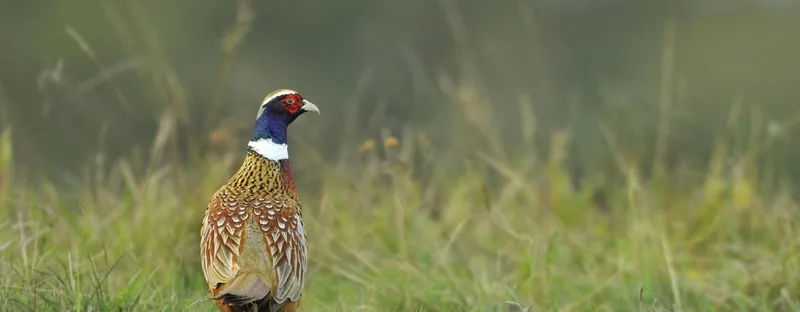
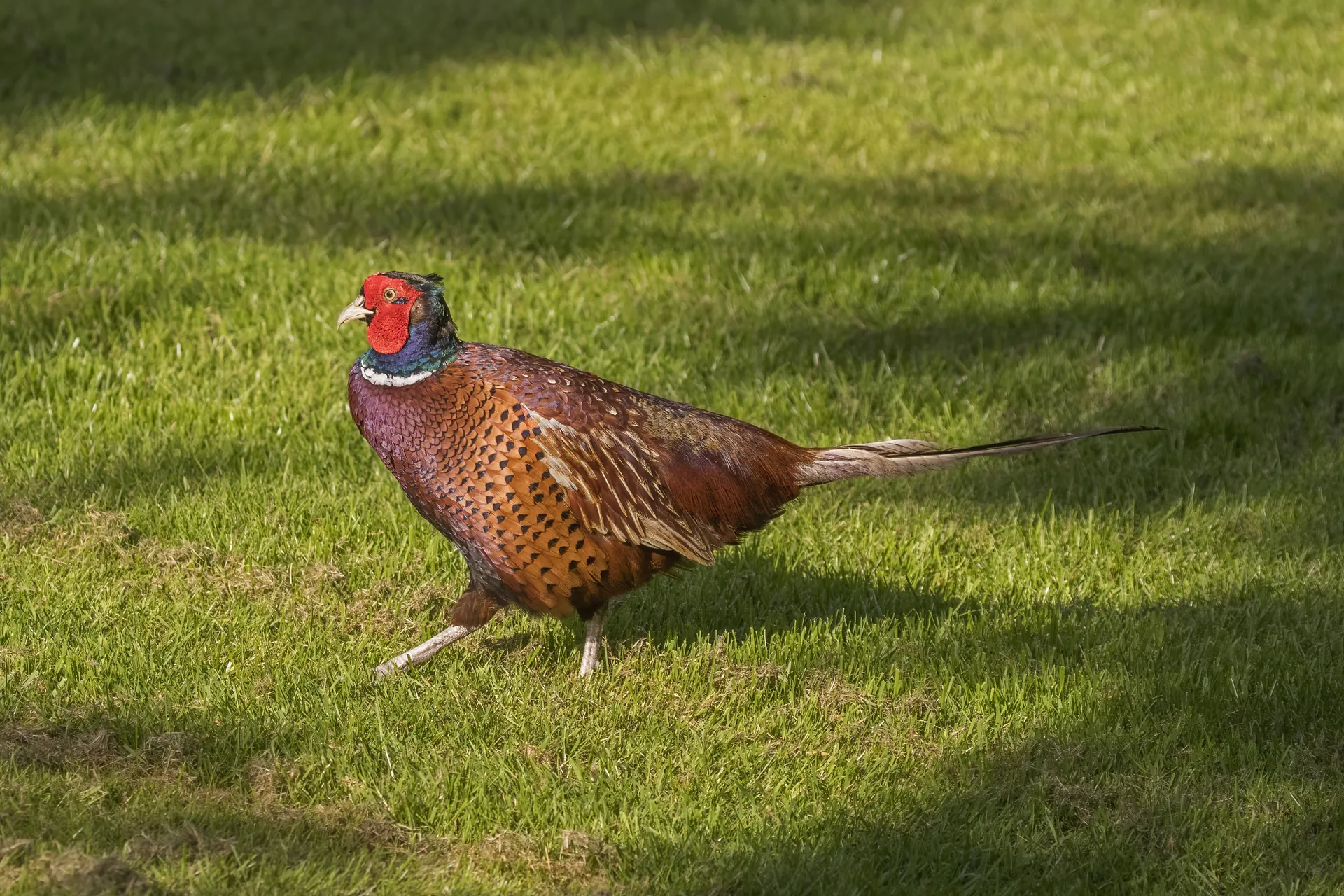
| Common pheasant (melanistic, Chinese ring-necked, PUR CHASSE® strain) | Permitted | Summer restocking (12-16 weeks) or birds for shooting in season; departmental cut-off dates may apply. |
| Red-legged partridge | Permitted under conditions | Prohibited where the rock partridge occurs (mountain areas) to prevent hybridisation. Check with the FDC. |
| Grey partridge | Permitted | French strain recommended; some départements with natural populations regulate returns to the wild in their SDGC. |
| Mallard | Permitted | Returned to the wild on ponds and marshes; vaccinated birds recommended; mind the specific rules of reserves. |
| Wild rabbit | Permitted under conditions | Listed as ESOD (species liable to cause damage) in some communes, where introduction requires authorisation. Vaccination against myxomatosis + VHD essential. |
| European hare | Permitted under conditions | Prohibited in management units covered by a hare management plan; animals tested for brucellosis and tularaemia required. |
| Common quail | Prohibited | Returning quail to the wild is prohibited in France (risk to the wild migratory species). That is why GIBIS does not offer them. |
| Reeves's pheasant | Permitted | A huntable species, but we stopped producing it more than twenty years ago — our page explains why, honestly. |
Pheasants, partridges, mallards: the restocking trio
The three pillars of feathered restocking game, permitted in almost every département, with local nuances written into the departmental scheme.
No quail at GIBIS — and for good reason
Returning quail to the wild is prohibited in France to protect the migratory common quail. Beware of any supplier offering them for a return to the wild: the buyer is responsible for their introduction.
Local restrictions, not national ones
Red-legged partridge in rock partridge areas, hares in management units, rabbits in ESOD communes: the bans are almost always territorial. Hence the importance of contacting the FDC before ordering.
The regulatory calendar
At what times of year can game be returned to the wild?
There is no single national calendar for returning game to the wild: the periods result from the biology of the species, the objectives pursued and departmental rules, often set by prefectoral order or written into the departmental hunting management scheme. Three main windows shape the year. In spring, from February to April, breeding stock — pairs and coveys of partridges in particular — is returned to the wild to breed on the spot. In summer, from June to August, comes the heart of restocking: birds aged 8 to 16 weeks returned to the wild 6 to 12 weeks before the opening so that they revert to wild behaviour. Finally, during the hunting season, returning birds intended for shooting remains possible but is more tightly regulated: many départements set a cut-off date after which it is prohibited (often during the season, sometimes the day before the season closes for the species), and some schemes impose a minimum interval between the birds' arrival on the ground and any shooting. These dates vary from one département to the next: the only reliable source is the order in force where you are, available from your FDC or the DDT(M). Our restocking page details the production calendar that matches these windows.
February – April: spring returns to the wild
Partridge breeding stock in pairs or coveys, to build a population that nests on the spot. Also a good time to establish rabbit warrens.
June – August: summer restocking
Pheasant poults of 12 to 16 weeks, 14-week partridges, young mallards: returned to the wild well before the opening, they have time to acclimatise and disperse.
Hunting season: departmental cut-off dates
In season, returning birds for shooting is legal but limited: check the cut-off date set in your département and any waiting period before shooting.
Traceability
Provenance and traceability: the documents that must accompany every return to the wild
In the event of an inspection — the OFB (French Biodiversity Agency) has authority in the field — the holder of the hunting rights must be able to prove the origin of the animals returned to the wild. In practice, this rests on the documents the breeder supplies on delivery, and it is an excellent criterion for judging a supplier before you order. At GIBIS, every delivery leaves with an invoice stating the species, number, age and holding number of origin (38001), together with the corresponding health certificate. For hares, the brucellosis and tularaemia test results accompany the animals; for wild rabbits, the myxomatosis and VHD vaccination certificate. For monitored operations (GIC, federations), we supply ringed stock with provenance data. For export, movements are accompanied by the official health certificate and TRACES documents. These papers are not red tape: they prove that your return to the wild is lawful, and they protect the ACCA or club president who signed the order form.
- Invoice stating provenance
- Species, quantity, age, date and holding number of origin: the invoice is the first document requested if a return to the wild is inspected.
- Health certificate with every delivery
- Issued for the batch delivered; supplemented by brucellosis/tularaemia tests for hares and vaccination certificates for wild rabbits.
- Farm register and rings
- Our registers of arrivals and departures allow every batch to be traced; ringing is offered for management operations that require individual monitoring. Every Gibis bird carries a numbered ring: hunters report their recoveries (report a ring you have found) and it is the hunters' federation of the département that validates each recovery.
- Declared transport and purpose-fitted vehicles
- Live delivery in our own game-farm vehicles, with movement documents; EU export by road or by air to IATA standards with TRACES documents.
The regulatory players
SDGC, FDC, DDT(M): who decides what in your département?
Three players shape the local rules on returning game to the wild, and it pays to know who does what before setting up a restocking project. The departmental hunting management scheme (SDGC), drawn up by the departmental hunters' federation and approved by the prefect for six years, is the reference document: it may set the conditions for returning game to the wild (species, periods, densities, prohibited areas) and is binding on every hunter in the département. The FDC is your first point of contact: it knows the scheme, the management plans in force and the suppliers, and often provides technical and financial support for ACCA restocking operations. The DDT(M) — departmental directorate of territories (and the sea) — examines, on behalf of the prefect, applications for authorisation to introduce game into the wild where these are required, generally after consulting the federation. It also issues the operating licences for game farms. Finally, the OFB checks in the field that operations are lawful. Our departmental pages detail the local context — for example in Isère, where the presence of the rock partridge in the mountains restricts the return of red-legged partridges to the wild, in neighbouring Drôme, in the Rhône or in the Ain.
The SDGC: the departmental rulebook
Approved by the prefect for six years and binding on hunters: this is where the local conditions for returning game to the wild are set out. Ask your federation for it — it is public.
The FDC: your first call
Before any order, a call to the departmental federation tells you what is possible, on which dates, and whether restocking aid exists for your ACCA.
The DDT(M): authorisations
Introductions of game requiring authorisation, game farm licences, exemptions: the DDT(M) examines the files for the prefect, generally after consulting the FDC.
The OFB: inspection
Environmental inspectors may check a return to the wild and demand proof of provenance. With a proper invoice and health certificate, the inspection is a formality.
Hare management plan
The special case of the hare: management plans and management units
The European hare is the most tightly regulated small game species when it comes to returning animals to the wild. Many départements have divided their territory into management units with a hare management plan written into the SDGC: maximum authorised bag (PMA), bag book, specific dates — and, very often, a ban on returning hares to the wild in the units where the wild population is covered by the plan. The logic is health and genetics: a natural, self-sustaining population is being protected. Restocking with hares remains possible outside these areas, or as part of operations validated by the federation, and it is then subject to strict requirements: health screening required by the FDC or the DDT(M) depending on the département (brucellosis, tularaemia), a spell in an acclimatisation pen strongly advised, low densities and large grounds. Before any order of restocking hares, we systematically ask our customers to validate their project with their FDC — returning hares to the wild is prepared months in advance, and it would be a shame to invest in French leverets (€95.00 each) or wild-caught hares (€410.00 a pair) for an operation that is unlawful or doomed to fail. To see how much the rules differ, three hare management plans are public: Nord, 2020-2026 management plan, Drôme, hare annex 2026-2027 and Allier, hare management plan (all in French). On health matters, the EBHS fact sheet of the Fédération nationale des chasseurs and the tularaemia fact sheet of the French Ministry of Health are the references. The step-by-step method is in our guide to returning hares to the wild, and the prices of both supply routes are in the hare catalogue.
Management units and PMA
The département is divided into units; where a management plan applies, the bag is limited and returning hares to the wild is generally prohibited to protect the wild stock.
Health screening
Brucellosis and tularaemia: the screening required depends on the FDC and the DDT(M) of each département. Our animals are delivered tested — wild-caught hares during their quarantine — and every batch leaves with its health certificate.
Acclimatisation and suitable densities
A few days in an acclimatisation pen, then a density matched to the species, on large grounds: around 13 pheasants per 100 hectares (benchmark from the FDC Isère's PDT), but no fewer than 8 to 15 hares per 100 hectares, below which EBHS strikes harder. This is the method that gives measurable results.
Our position as a breeder
What the regulations say about us — and what we say frankly
A serious game breeder has no interest in seeing its customers break the law: an unlawful return to the wild means an ACCA in trouble and a wild species put at risk. That is why we would rather lose a sale than sell an animal for a prohibited use. We do not offer quail, because returning them to the wild is prohibited in France — the quail sold “for dog training” or “for shooting” pose a real regulatory problem for the buyer as soon as they end up in the wild. We stopped rearing Reeves's pheasant more than twenty years ago, and our dedicated page says so clearly rather than leaving any ambiguity. And when a customer calls us to return red-legged partridges to the wild in a mountain area, or hares in a management unit, our first advice is to call the federation before signing the order form. We owe this way of working to three generations of game farming in Chatte: the trust of federations and hunting clubs — some of which have been with us for decades — is worth more than any one-off sale. You will find our references on the references and federations page.
No sales for prohibited uses
No quail for returning to the wild, no hares without FDC validation in management-plan areas: we turn down orders that are clearly unlawful.
Honest product pages
Reeves's pheasant has not been produced here for more than twenty years, and the page says so. What we sell is described as it is, prices included.
The federation reflex
Before any unusual project, we refer the customer to their FDC. A return to the wild validated upstream is an operation that goes well — for the customer and for the wildlife.
Frequently Asked Questions
Do you need authorisation to return small game to the wild on your ground?
Can quail be returned to the wild for hunting in France?
Which farm-reared small game species can be returned to the wild?
Up to what date can game be returned to the wild during the hunting season?
What documents must the breeder supply when delivering game?
What is the departmental hunting management scheme (SDGC)?
Can hares be returned to the wild anywhere in France?
Who inspects returns of game to the wild, and what are the penalties for breaking the rules?
Can a private individual buy game and return it to the wild on their own land?
See also
Planning a return to the wild? Let's talk before, not after
Species, period, département: we help you shape a compliant and effective return to the wild, with traceability documents supplied with every delivery. Quotations on +33 4 76 38 31 01 or by email — and if your project needs the FDC's opinion, we will tell you so frankly.