
Feathered game
Partridges for sale — red and grey
Quality breeding in large natural aviaries
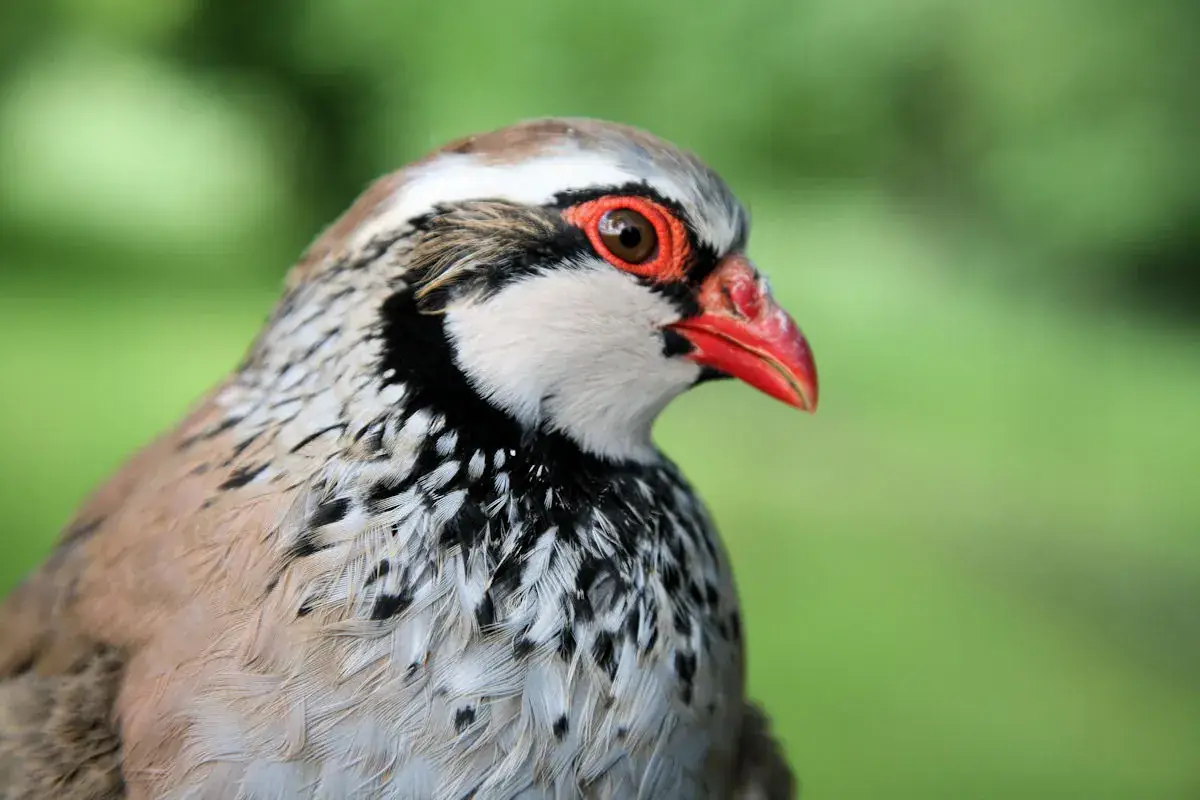
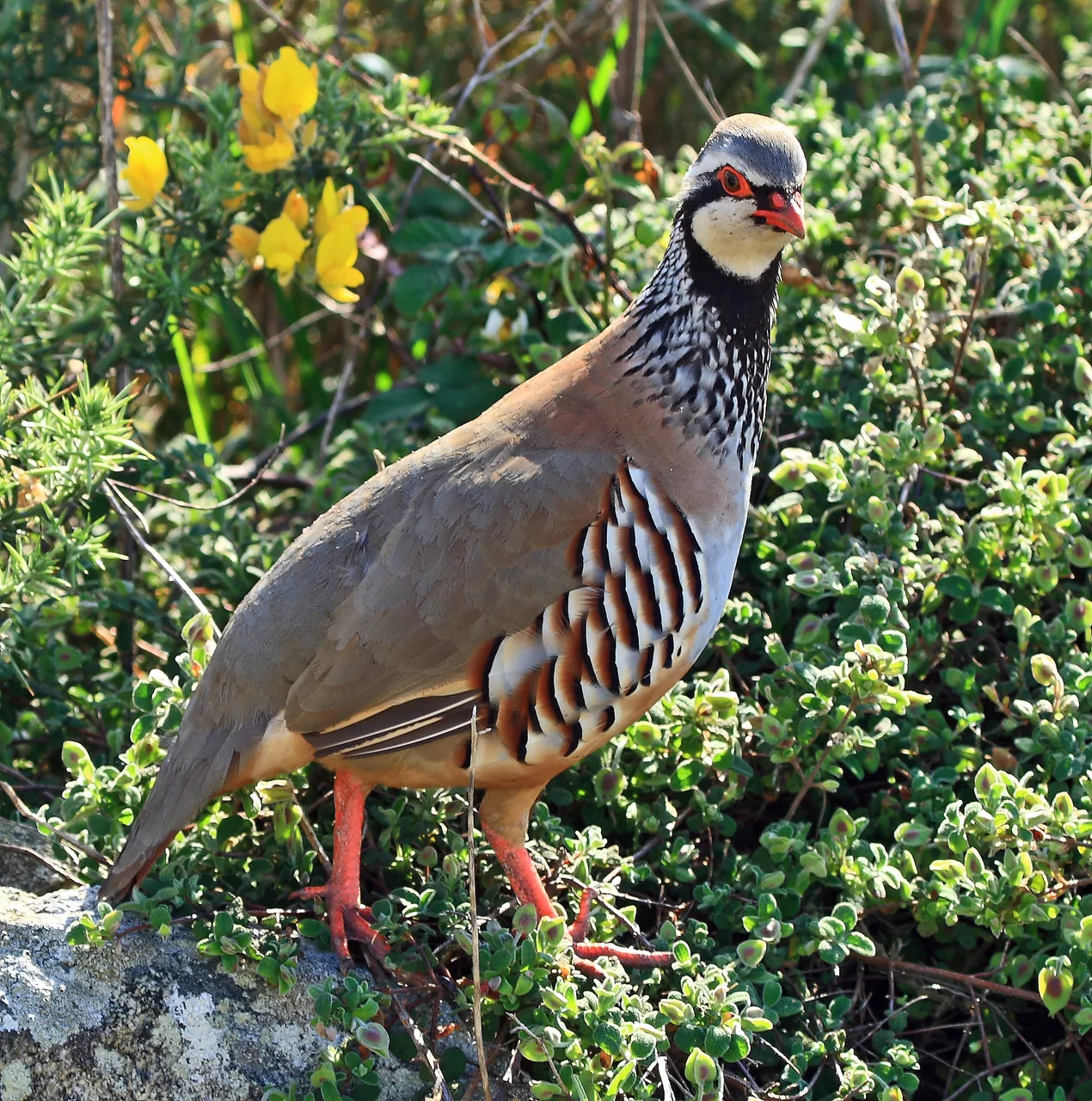
Red partridge
The red partridge (Alectoris rufa) is one of the most emblematic game birds of southern France. Our red partridges are raised in large open aviaries fitted with dense natural vegetation (broom, box, tall grasses) that reproduces their Mediterranean habitat. Our carefully selected bloodlines produce birds with powerful flight and a wild temperament.
- Large planted aviaries
- Multi-hectare aviaries with natural plant cover, allowing birds to develop their flight musculature.
- Selected bloodlines
- Rigorous selection on morphology, plumage, behaviour and flight ability.
- Weight & size
- Birds of 350 to 450 g at the age of return to the wild, with the characteristic red and grey plumage of the species.
- Hunting and restocking
- Suited equally to returns to the wild for shooting and medium to long-term restocking programmes.
- Red partridges for sale
- Available from 12 weeks in season. Volume discounts. Breeding stock to order in spring.
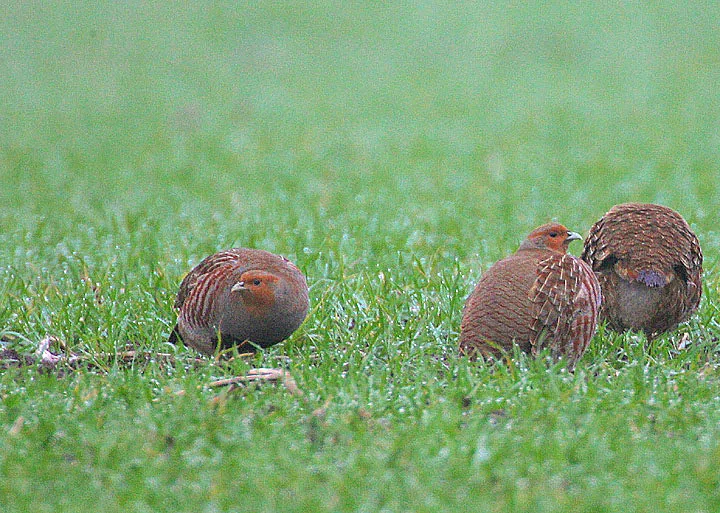
Grey partridge
The grey partridge (Perdix perdix) has become rare in many regions of France, a victim of changing agricultural practices. GIBIS is one of the few breeders maintaining a breeding flock of grey partridges from pure French strains. Our birds are raised under strictly controlled conditions to preserve the original genetic characteristics of the species. Find all the details — habitat, return-to-the-wild densities, prices — on our dedicated grey partridge for sale page.
- Pure French bloodline
- French genetics preserved without crossing with foreign bloodlines, guaranteeing species authenticity.
- Heritage species
- Active contribution to preserving the French grey partridge, a declining species nationally.
- Specialist breeding
- Specific conditions: low-density aviaries, diet rich in insects and wild seeds.
- Restocking programme
- Birds particularly suited to reintroduction programmes in cereal plains and bocage.
- Technical support
- GIBIS assists clients in setting up restocking programmes with monitoring of the birds returned to the wild.
Red and grey partridge hatching eggs
GIBIS sells partridge hatching eggs to breeders, enthusiastic private individuals and territory managers wishing to start or renew a breeding flock. Our red-legged and grey partridge hatching eggs come from breeding pairs rigorously selected on morphology, behaviour and fertility; they are collected daily, graded (cleanliness, size, shell integrity) and dispatched within 48 h in insulated packaging. Production is seasonal — April to July — and quantities are limited, especially for the pure French-strain grey partridge: the price is set on request according to the strain, the quantity and the collection week. For incubation, the benchmarks we apply in our own hatchery are close to those for pheasant: about 24 days of incubation (23 to 25 depending on the strain), 37.7 °C in a forced-air incubator, humidity of 45 to 55 % then raised to 65-75 % over the last three days, automatic turning 4 to 6 times a day until transfer to the hatcher on day 21, and candling around day 7 and day 14 to remove clear eggs. Under controlled conditions, the hatch rate reaches 70 to 85 %. The detailed step-by-step protocol — receiving the eggs, 24 h rest point down, settings, hatching — is published in our pheasant egg incubation guide, which carries over directly to partridge.
Red partridge hatching eggs
Fertilised eggs from our best red partridge bloodlines. Fertility rate checked before dispatch.
Grey partridge eggs
Limited availability, pure French bloodline. Booking recommended from January for the laying season.
Laying season
Eggs available from April to July. Dispatched within 48 h in suitable insulated packaging to preserve viability.
Incubation: ~24 days
37.7 °C, humidity 45-55 % then 65-75 % at the end of the cycle, transfer to the hatcher on day 21: 70-85 % hatch rate under optimal conditions.
National and international delivery
Delivery & service areas
GIBIS delivers its partridges across France and to neighbouring countries. Transport in our equipped vehicles with health certificates.
All of metropolitan France
Delivery to all regions: Brittany, Normandy, Centre, North, PACA, Occitanie, Grand Est, Bourgogne-Franche-Comté, Pays de la Loire, Île-de-France.
Belgium and Switzerland
Regular deliveries to Belgium and Switzerland. Road transport in our equipped vehicles.
Breeding red-legged partridges in the Isère since 1951
Our red-legged partridge farm
Our farm for red-legged partridges is run at Chatte, in the Isère, on the 70 hectares of the family holding, 15 of them under aviaries. The whole chain takes place on site: breeding stock, laying, incubation, brooder house and growing aviaries. Breeding pairs are matched in late autumn and lay from April to July; the eggs are collected several times a day, graded, then incubated for 24 days at 37.7 °C before transfer to the hatcher. The young partridges spend their first three to four weeks in a heated brooder house — 35 °C under the brooder at the start, then about 3 °C less each week — before moving out to the outdoor aviaries at around 5 to 6 weeks. That is where the quality of a hunting bird is decided: our open-air aviaries are planted with broom, box, brambles and tall grasses, with perches and dusting areas, and are run at low density (fewer than one bird per 2 m²). This husbandry avoids feather pecking without the systematic use of bits, preserves the plumage and lets the young birds run and fly until they genuinely build their flight muscles. Feeding follows age: high-protein starter crumbs (around 28 %) for the first four weeks, grower feed (22-24 %) up to 8 weeks, then a 16-18 % finisher supplemented with wheat, cracked maize, greenstuff and grit — a regime that prepares the bird to find its own food after being returned to the wild. See also our guide to a successful return to the wild and our advice on feeding and habitat management.
- Large planted aviaries
- Open-air aviaries with natural cover (broom, box, brambles, grasses): the birds run, perch and fly before they are sold.
- Low density
- Fewer than one bird per 2 m² in the growing aviaries: less stress, less feather pecking, intact plumage and a wary temperament preserved.
- 14 weeks minimum
- No red-legged partridge is sold under 14 weeks. Below that age a bird has neither the flight muscle nor the feeding independence a return to the wild requires.
- Stage-by-stage feeding
- Starter at around 28 % protein, grower 22-24 %, finisher 16-18 % supplemented with wheat, cracked maize, greenstuff and grit.
- Selection of breeding stock
- A pure strain with no crossing; breeders chosen on conformation, collar and flank markings, wary temperament and flight quality, with bloodlines rotated to avoid inbreeding.
- Health and biosecurity
- Veterinary supervision, regular faecal examinations, coccidiosis and gapeworm prophylaxis, resting and disinfection of pens between batches, farm register and health certificate with every consignment.
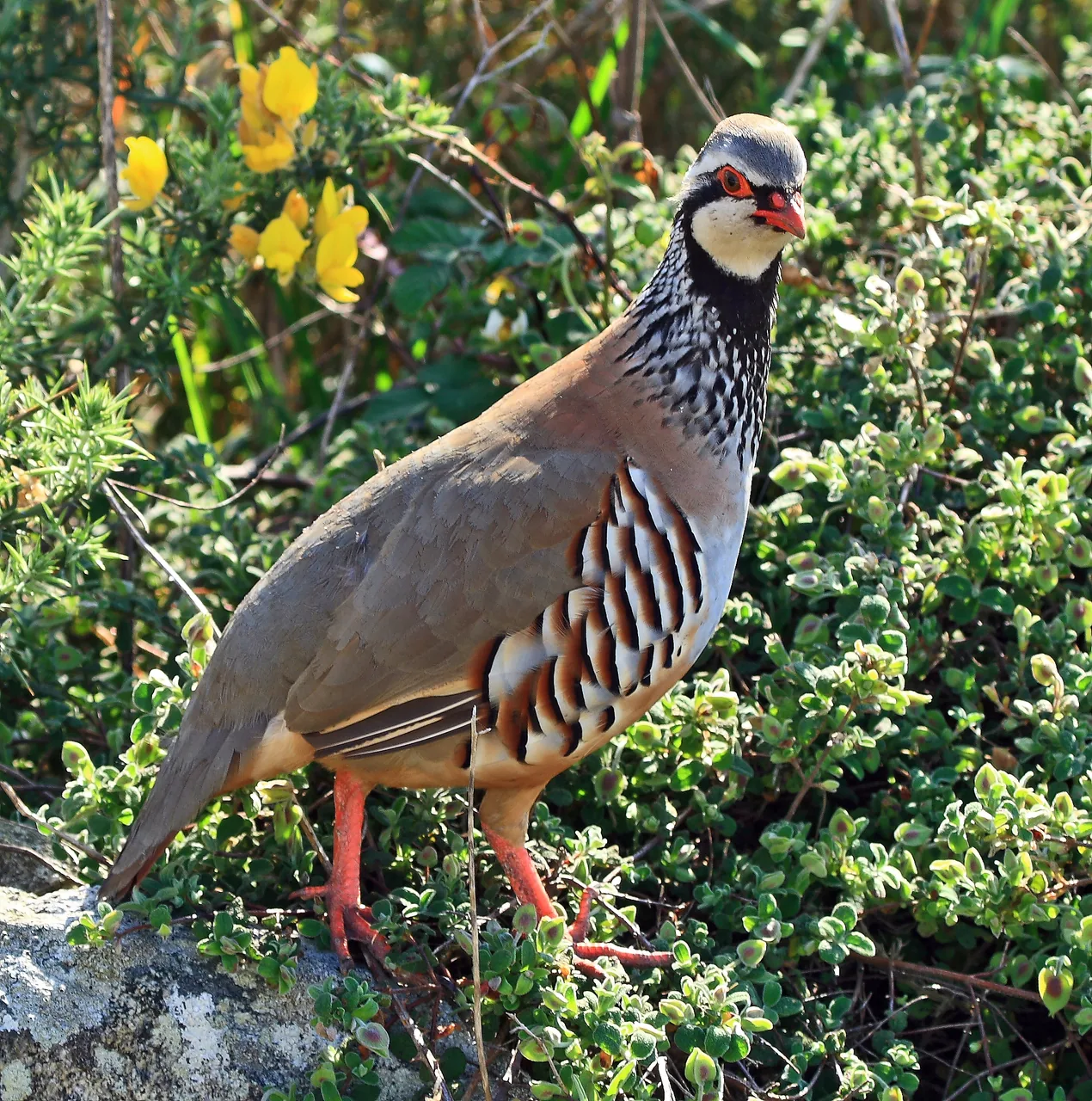
Direct sale, ex-farm
Red-legged partridges for sale to individuals, hunting associations and shooting clubs
Yes: we sell red-legged partridges to private individuals as readily as to ACCA hunting associations, shooting clubs, private shoots, federations and shooting grounds. There is no middleman and no online order form — everything is handled directly with the farm, by telephone on 04 76 38 31 01 or by e-mail, which lets us match the strain, the age and the delivery date to your ground. For an individual, the minimum order is one covey (9 birds + 1 adult leader, €102.00) or 10 birds at €10.30; adult red-legged partridges for the season are €11.40 each from August to December, with volume pricing according to quantity, on quotation. Two ways to take delivery: collection on site at Chatte, in the Isère, by appointment (free of charge — bring ventilated transport crates and a well-aired vehicle), or delivery in our own fitted vehicles, quoted according to destination and shared across our seasonal rounds. An order becomes firm on receipt of a 30 % deposit, the balance being settled on collection or delivery; every batch travels with its health documents. As regards keeping birds, an individual holding fewer than 100 birds for non-commercial purposes remains under the free regime, but the farm register and biosecurity rules still apply: the details are on our small game regulations page. If you would rather start your own breeding stock, we also sell partridge hatching eggs, and the grey partridge of pure French strain has its own page. Many of our customers round out their return of partridges to the wild with common pheasant: our guide to choosing your pheasant strain will help you make up the batch. Shot a ringed partridge? What to do with a found ring.
Individuals and shooting grounds
Individual hunters, hunting associations, shooting clubs, private shoots, federations and shooting grounds: same birds, same volume discounts.
Minimum quantity
One covey (9 birds + 1 leader, €102.00) or 10 birds at €10.30 for an individual; volume pricing according to quantity, on quotation.
Collection at Chatte
Free collection ex-farm at Chatte, in the Isère, by appointment. Ventilated crates and a well-aired vehicle required.
Or delivery
Delivery in our fitted vehicles throughout France, Belgium and Switzerland. Cost quoted individually, reduced on our seasonal rounds.
30 % deposit
Order confirmed by a 30 % deposit on booking, balance on collection or delivery. Health documents supplied with every batch.
Order by telephone or e-mail
No online ordering: call 04 76 38 31 01 or write to us for a tailored quotation including transport.
Season 2026 Pricing
2026-2027 hunting season — prices current as of August 2026