
Game encyclopaedia
Mallard
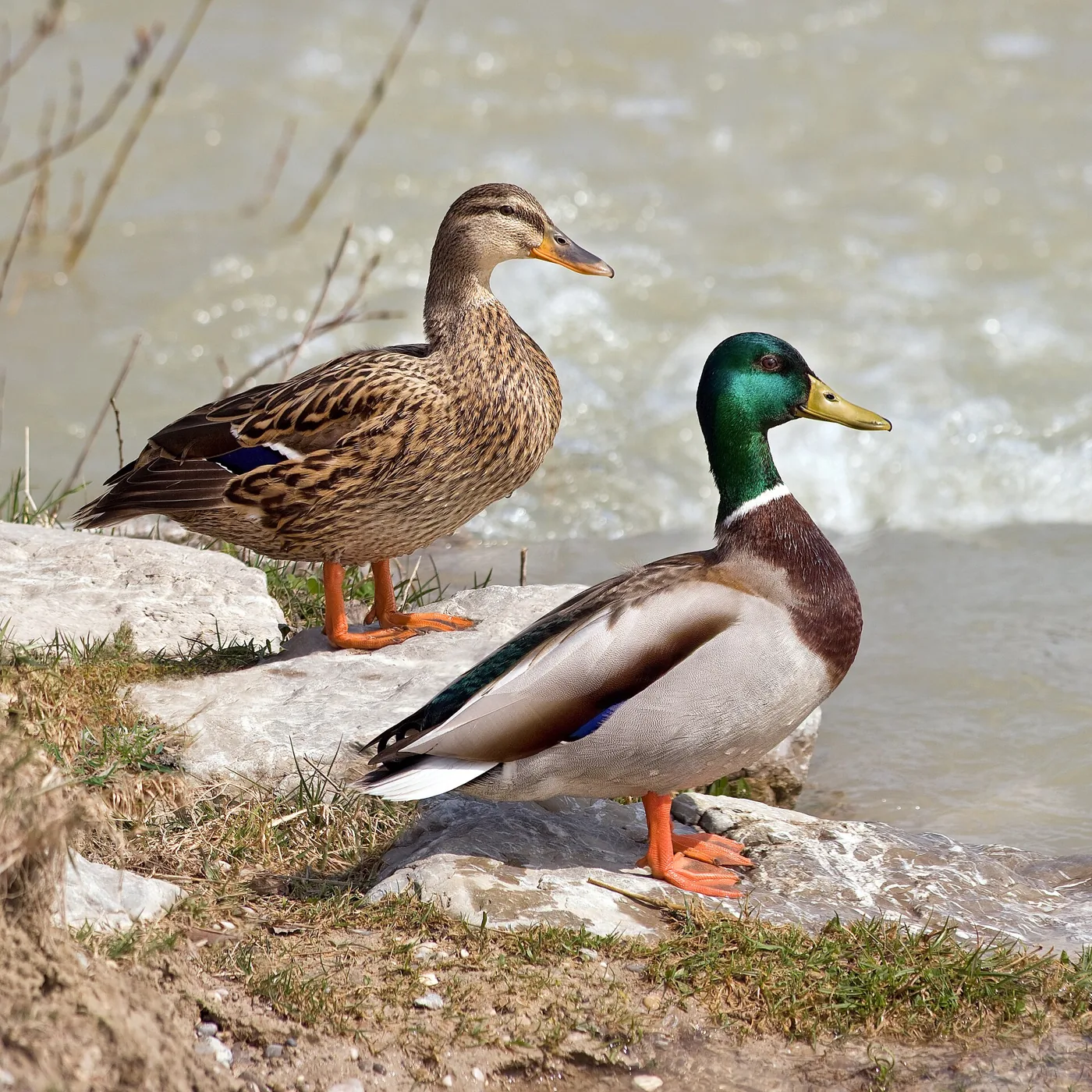
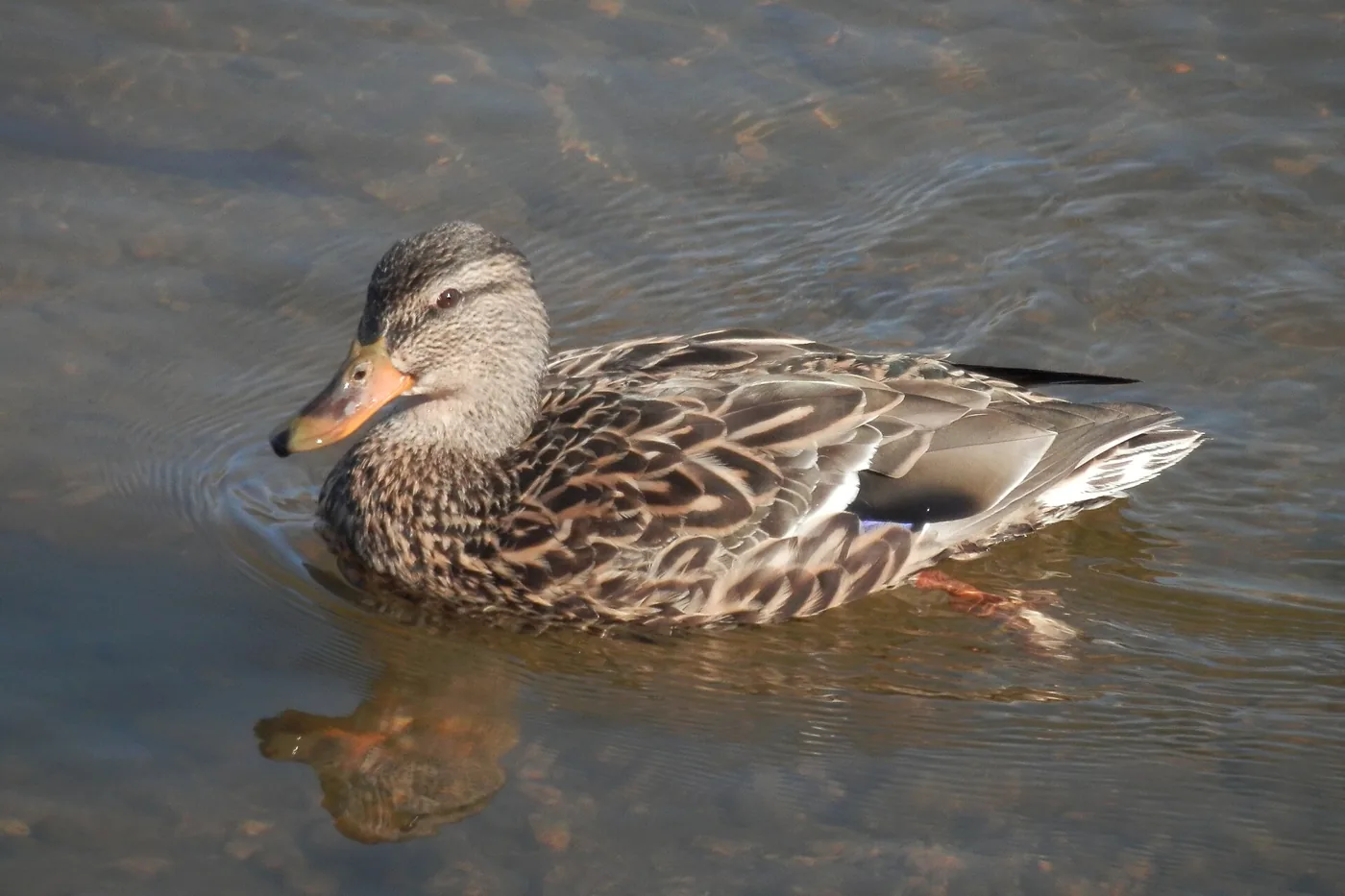
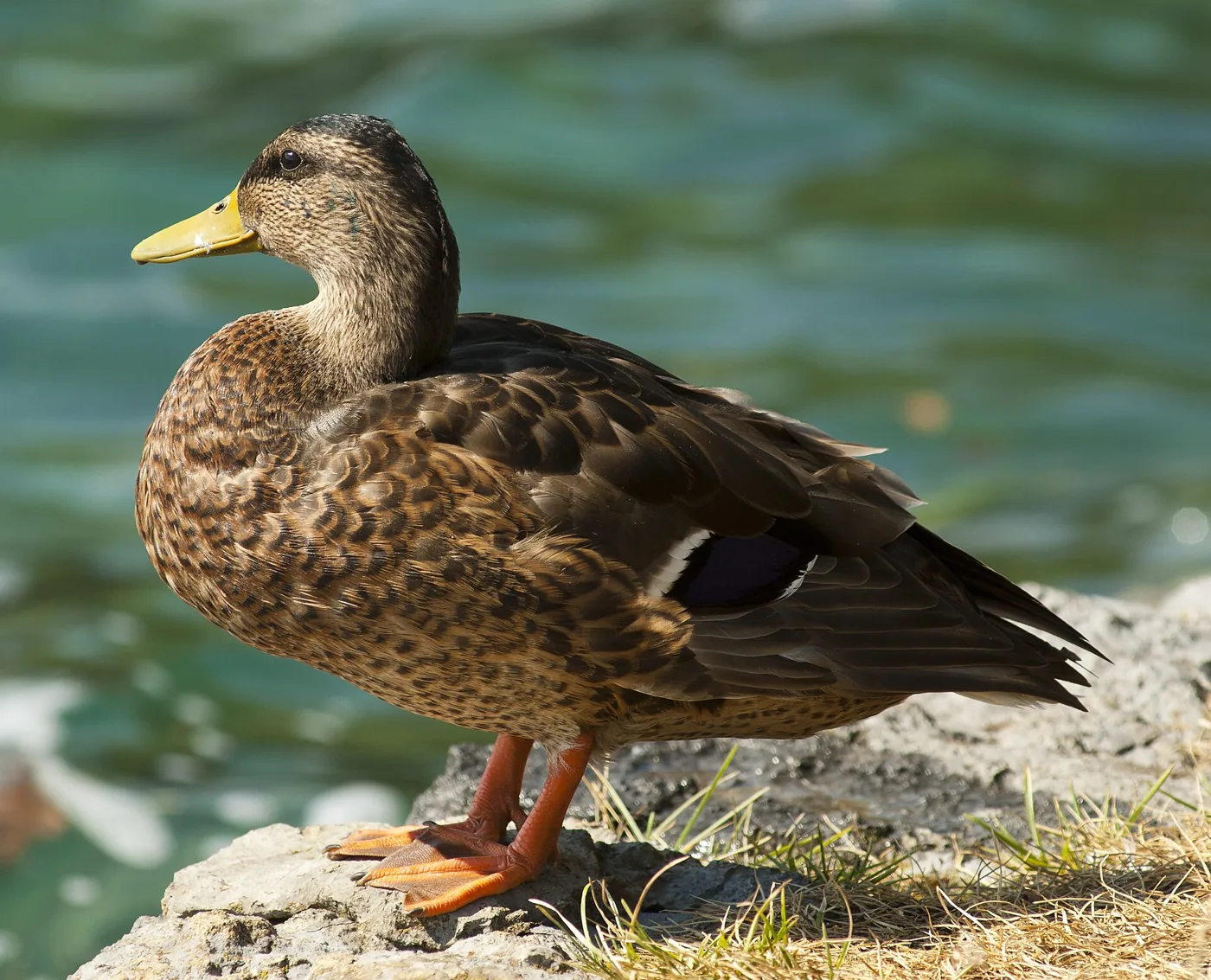
Anas platyrhynchos (Linnaeus, 1758). The most widespread dabbling duck of the Northern Hemisphere, also called the "wild duck" in hunting parlance. The breeding male sports a green head and a white collar, but spends the summer in eclipse plumage; it is the ancestor of most domestic ducks.
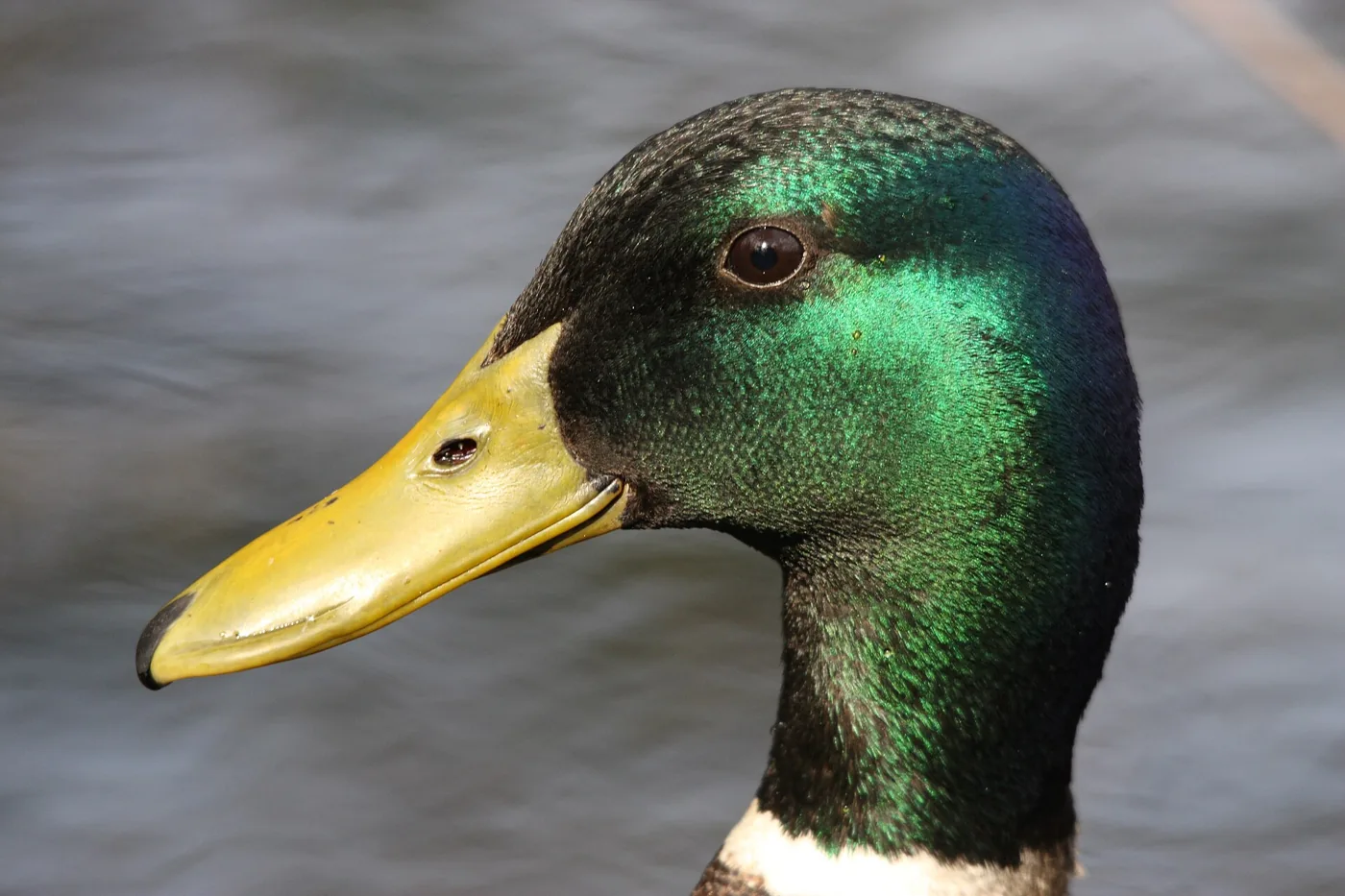
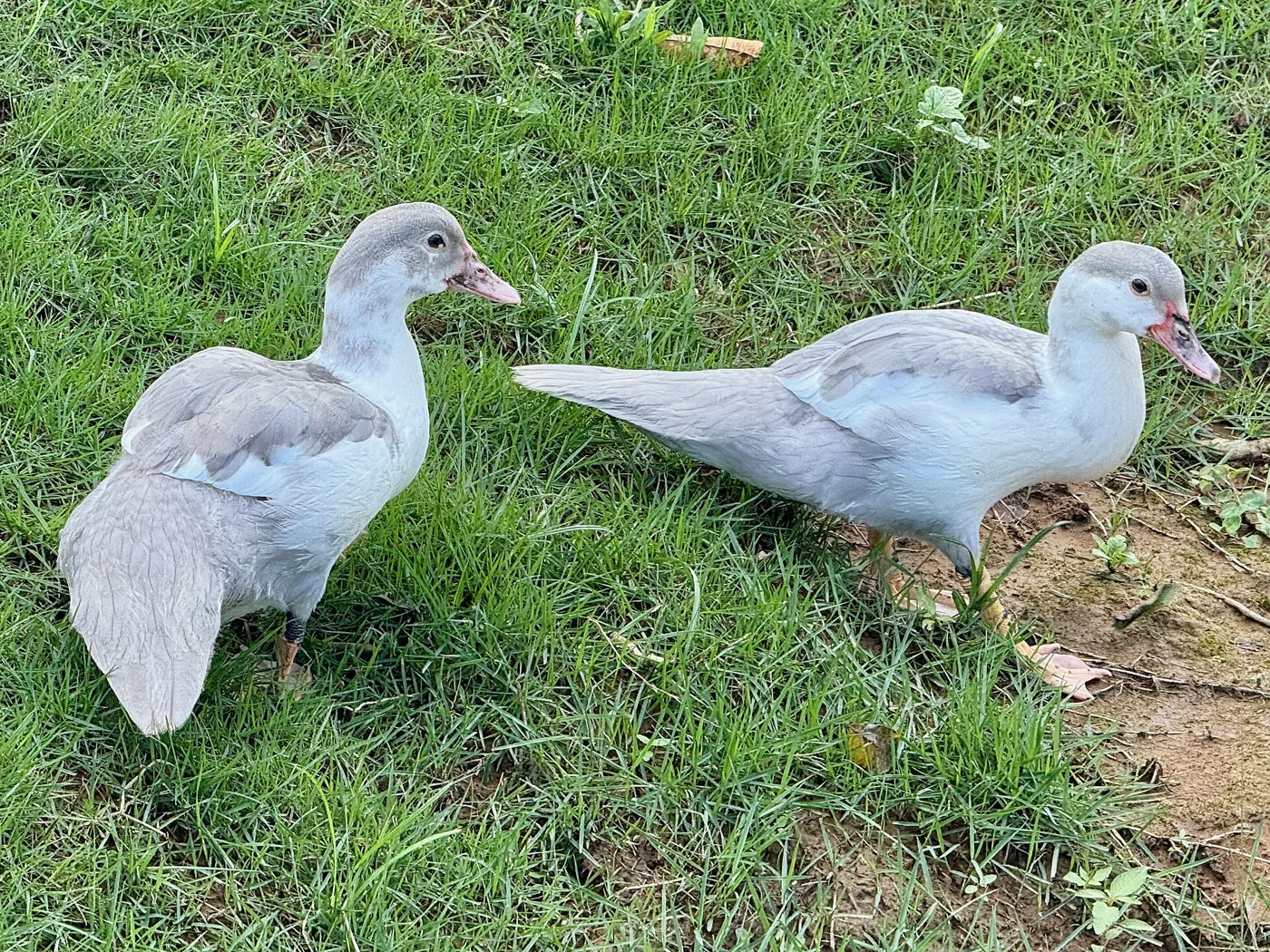
Not to be confused with the other dabbling ducks of the genus Anas, such as the gadwall (Mareca strepera) or the northern pintail (Anas acuta): in the breeding mallard, the male is recognisable by its metallic green head, its white collar and its yellow bill. The domestic form of the species, Anas platyrhynchos domesticus, encompasses most farmyard duck breeds; it is distinct from the Muscovy duck (Cairina moschata), domesticated separately in the Americas. For our farmed birds, see our ducks.
Description and sexual dimorphism
Taxonomy and etymology
Breeding plumage, eclipse plumage and moult
Simultaneous moult of the remiges
Like all Anatidae, the mallard loses all its flight feathers at once, rather than one by one.[8]
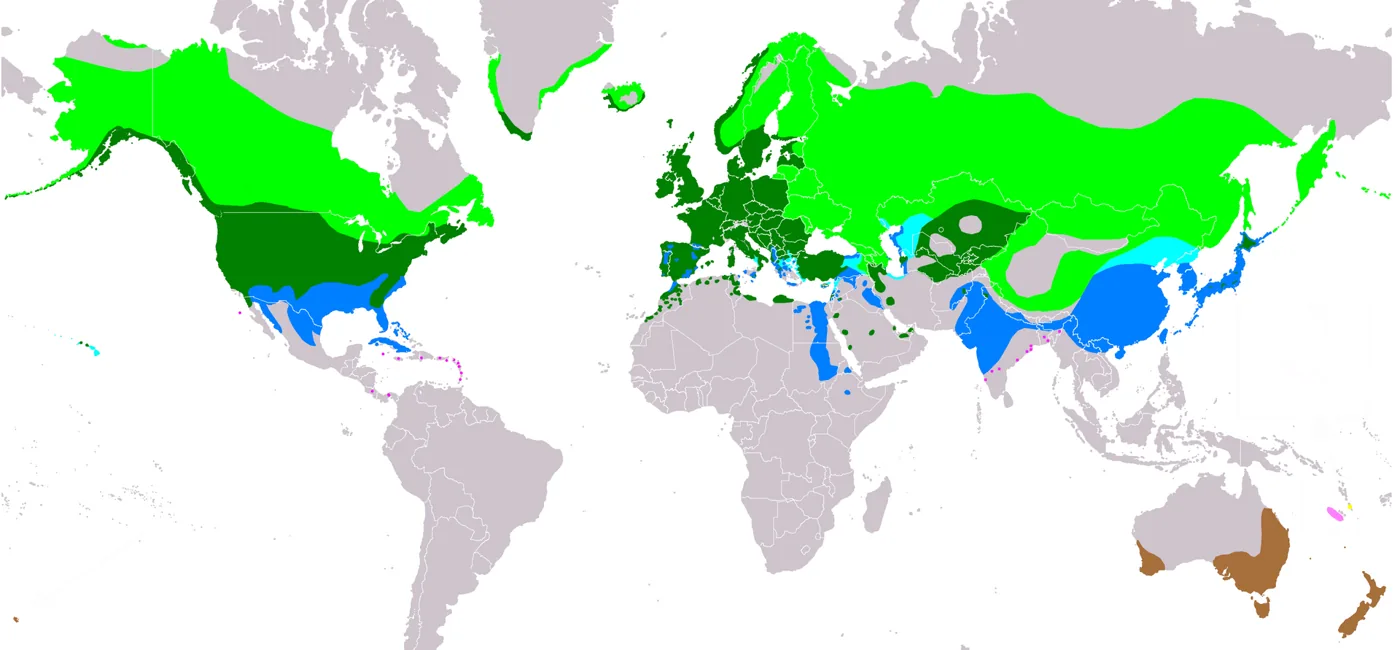
Distribution and partial migration
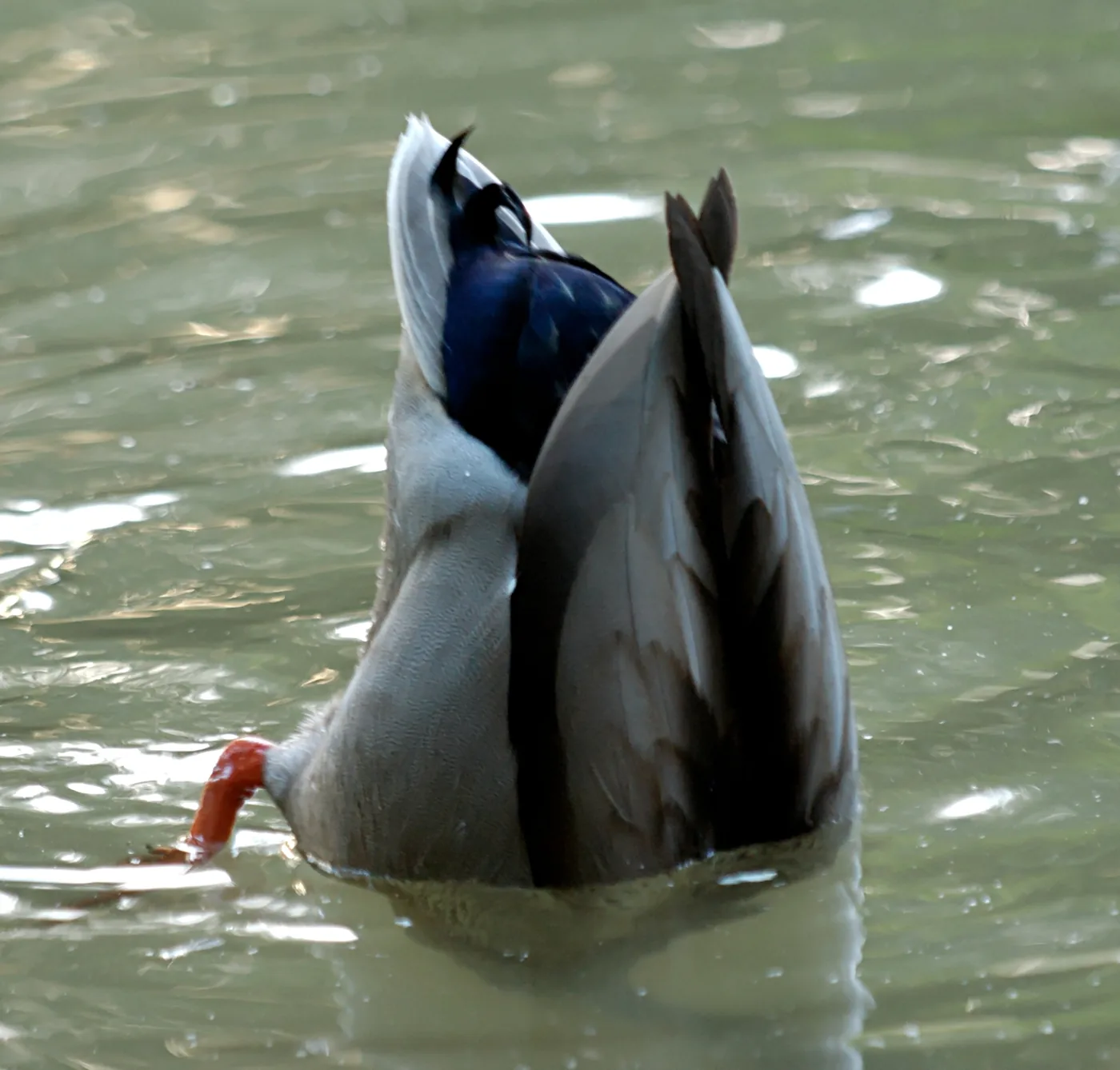
Habitat and feeding
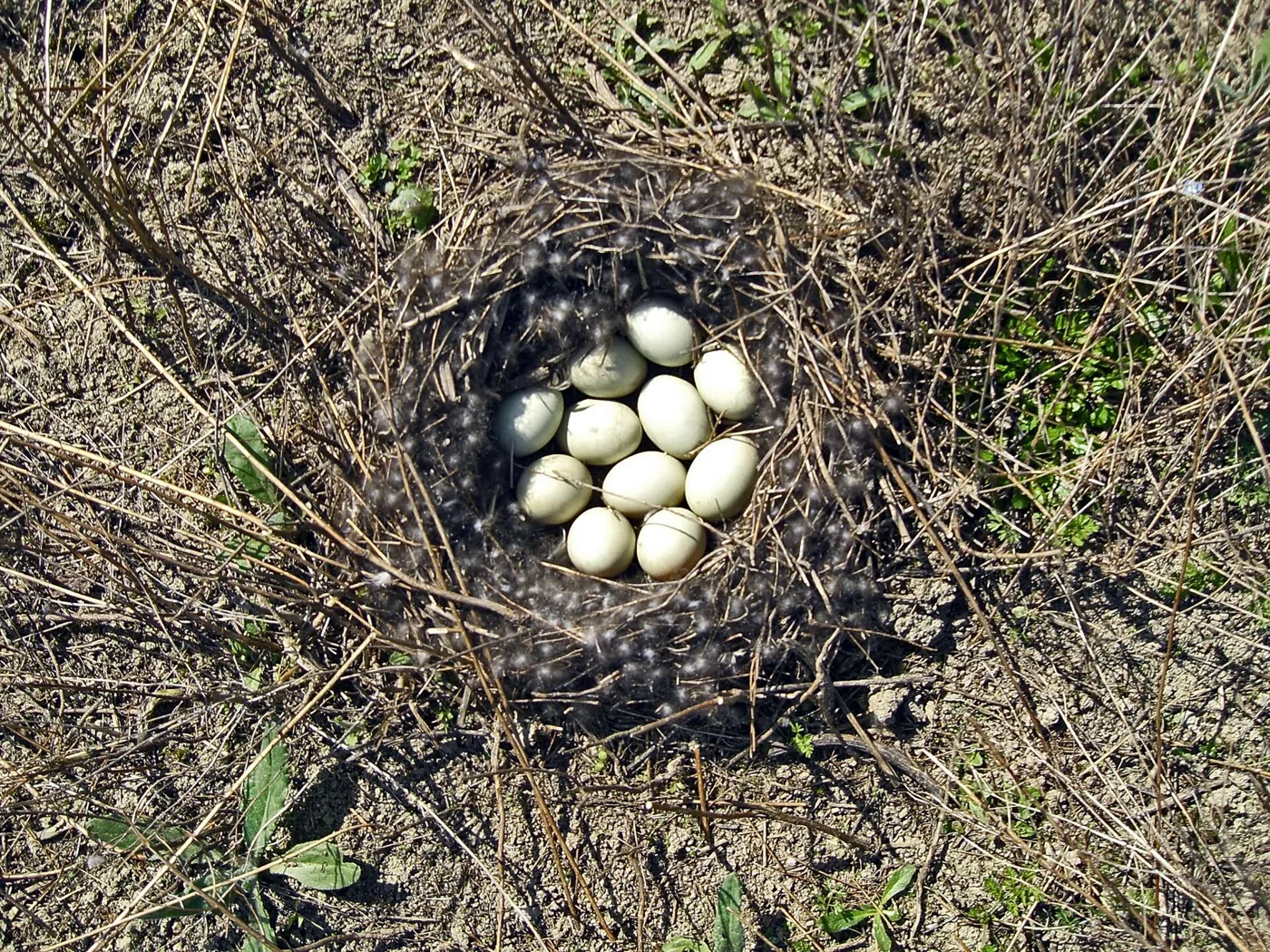
Reproduction and nesting
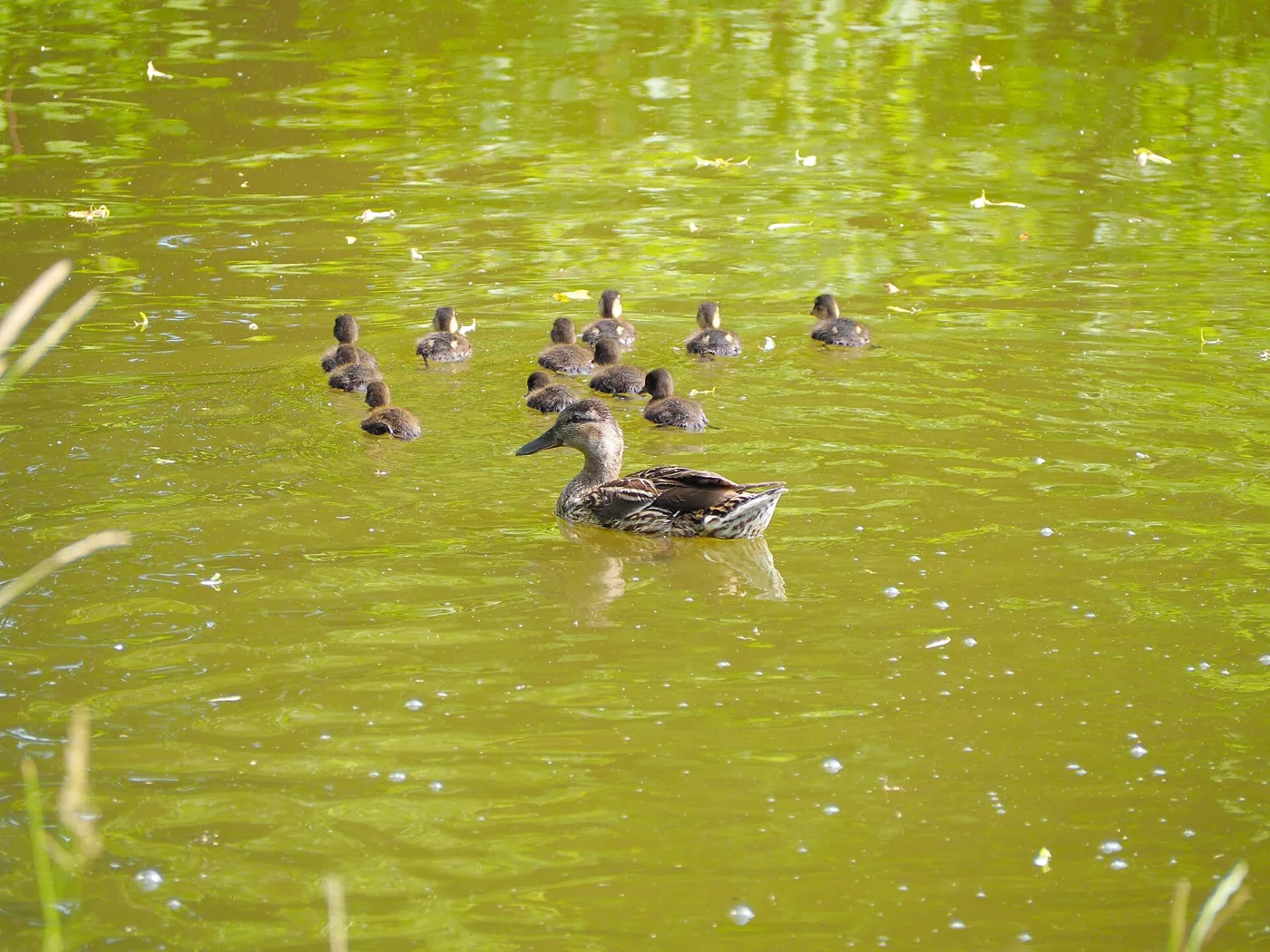
Precocial, nidifugous ducklings
Domestic forms and hybridisation
Waterfowl and hunting releases
At GIBIS
A family farm since 1951
Production of feathered and small game in Chatte, Isère.
Mallard reared
Animals intended for restocking and hunting: see the our ducks page.
Restocking
Population-reinforcement operations are detailed on the restocking page.
References
- ↑BirdLife International, "*Anas platyrhynchos*" (2019 assessment), *The IUCN Red List of Threatened Species* 2019: e.T22680186A86020946 — category: Least Concern (LC), iucnredlist.org, accessed 2026.
- ↑Wikipedia / Wikipédia contributors, "Mallard" and "Canard colvert", *Wikipedia* / *Wikipédia* — general synthesis (morphology, distribution, diet, behaviour), corroborated by the primary sources below.
- ↑ITIS (Integrated Taxonomic Information System), *Report: Anas platyrhynchos* Linnaeus, 1758 — classification and authority, itis.gov, accessed 2026.
- ↑MNHN & OFB, Inventaire national du patrimoine naturel (INPN), *Anas platyrhynchos* Linnaeus, 1758 record, inpn.mnhn.fr, accessed 2026.
- ↑Linnaeus C., *Systema Naturae*, 10th ed., Stockholm, 1758 — original description under *Anas platyrhynchos*; etymology of *platyrhynchos* (Greek "broad-billed").
- ↑"Colvert", CNRTL, *Trésor de la langue française informatisé*, and *Grand dictionnaire universel du XIXe siècle* (Larousse) — formed from "col" and "vert", attested around 1866, accessed 2026.
- ↑Drilling N., Titman R. & McKinney F., "Mallard (*Anas platyrhynchos*), Plumages, Molts, and Appearance", *Birds of the World*, Cornell Lab of Ornithology, birdsoftheworld.org — breeding plumage, eclipse plumage and moult timing, accessed 2026.
- ↑Hohman W. L., Ankney C. D. & Gordon D. H., "Wing molt and the flightless period in dabbling ducks", and Fox A. D. et al. on the simultaneous moult of the remiges in the Anatidae — flightless period of 3 to 4 weeks, ornithology journals, accessed 2026.
- ↑Cramp S. & Simmons K. E. L. (eds.), *Handbook of the Birds of Europe, the Middle East and North Africa (The Birds of the Western Palearctic)*, vol. I, Oxford University Press, 1977 — biometrics, breeding biology and moult of the mallard.
- ↑del Hoyo J., Elliott A. & Sargatal J. (eds.), *Handbook of the Birds of the World*, vol. 1 (Anseriformes), Lynx Edicions, Barcelona, 1992 — habitat, dabbling feeding, migration and reproduction.
- ↑Zhou Z. et al., "An intercross population study reveals genes associated with body size and plumage color in ducks", and work on the origin of domestic ducks — the mallard, ancestor of most breeds (*Anas platyrhynchos domesticus*) and hybridisation, peer-reviewed journals, accessed 2026.
- ↑Wikipedia contributors, "Domestic duck", "Domestic Muscovy duck" and "Mulard", *Wikipedia* — Muscovy duck (*Cairina moschata*), separate domestication and mule duck, corroborated by the poultry literature, accessed 2026.
- ↑Office français de la biodiversité (OFB) and Fédération nationale des chasseurs, "Canard colvert (*Anas platyrhynchos*)" record — waterfowl, harvests, releases of farmed mallards and genetic pollution, ofb.gouv.fr, accessed 2026.
- ↑Guillemain M. & Elmberg J., *The Mallard: Biology and Management*, together with French ringing studies (OMPO/OFB) — partial migration and wintering of the mallard in France, accessed 2026.
- ↑Drilling N., Titman R. & McKinney F., "Mallard (*Anas platyrhynchos*), Movements and Migration", *Birds of the World*, Cornell Lab of Ornithology, birdsoftheworld.org — Holarctic distribution and partial-migrant status, accessed 2026.
- ↑Cabard P. & Chauvet B., *L'étymologie des noms d'oiseaux*, and *Noms français des oiseaux du monde* (Université de Sherbrooke) — "malart" for the male and "canard sauvage" in hunting parlance, accessed 2026.
See also
Gallery
See also
A question about the mallard?
This article is part of GIBIS's game encyclopaedia, a breeder in Chatte (Isère) since 1951. For a question about the species or about our animals, the team answers by telephone or e-mail.