
Species profile — hunting pheasant
The melanistic pheasant, the black strain for wooded ground
Neither a separate species nor a cross: the melanistic pheasant is the dark variety of the common pheasant. Metallic black plumage, heavy build, excellent at holding woodland — and plumage that lets you tell released birds from wild pheasants. GIBIS breeds it at Chatte, in Isère, France.
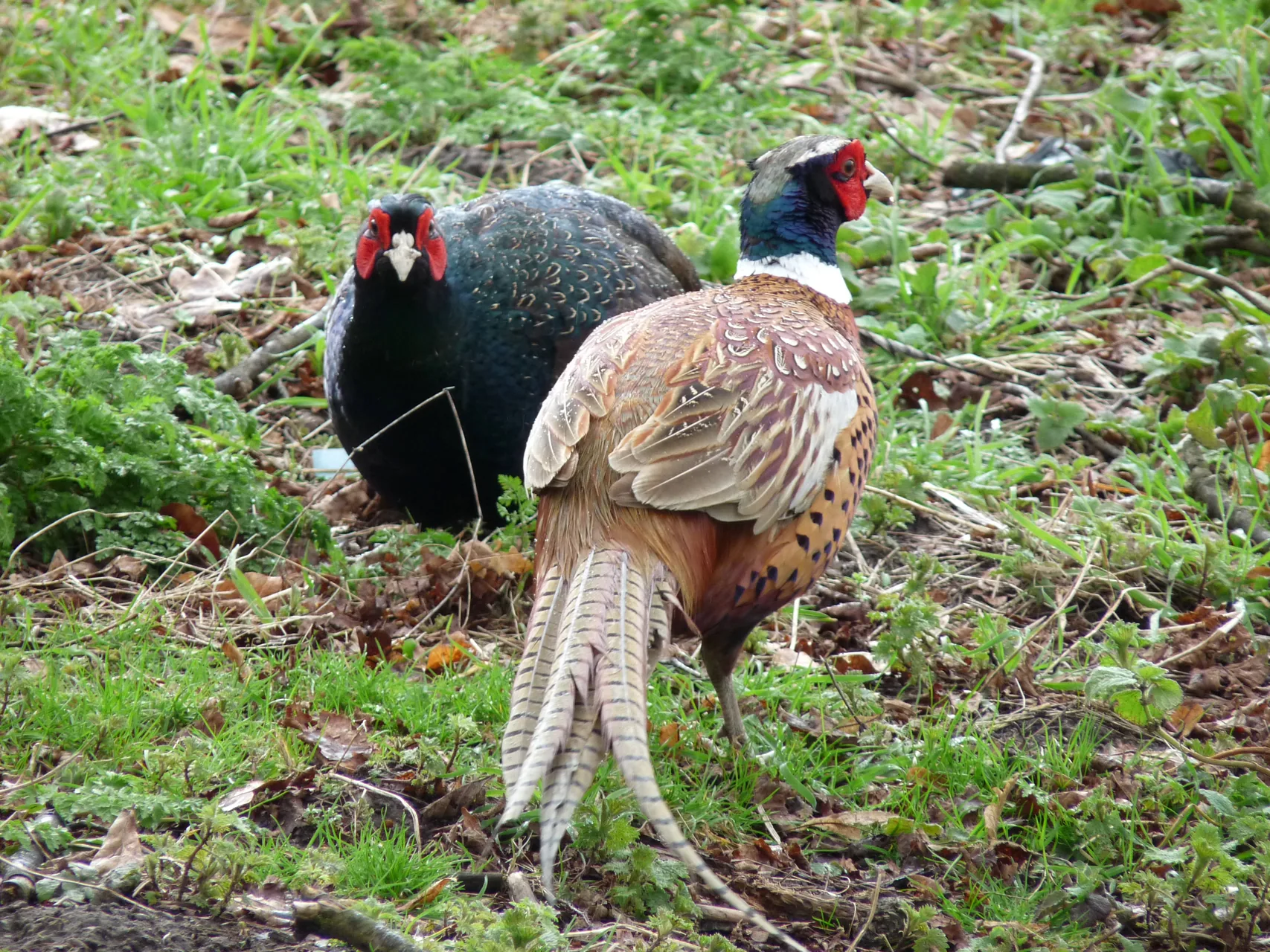
Phasianus colchicus var. tenebrosus
What is the melanistic pheasant?
The melanistic pheasant is not a distinct species: it is a melanistic variety of the common pheasant, listed as Phasianus colchicus var. tenebrosus. Nor is it a hybrid or the product of a cross between species — it is a natural mutation, linked to increased melanin production, first recorded in England, in Norfolk, around 1880; dedicated breeding began in the 1920s. The cock carries deep black plumage with metallic green and blue sheens where the common pheasant shows copper and gold; the hen, mainly black shaded with dark brown, is also recognisable at a distance, unlike the streaked buff common hen. The trait breeds true: two melanistics crossed together produce entirely melanistic offspring, while crossing with a normally coloured bird gives young of both types, normal coloration being dominant.
Status
A melanistic variety of the common pheasant (Phasianus colchicus), not a species or a hybrid. A natural mutation documented since 1880.
The cock's plumage
Deep black with bottle-green and violet-blue sheens on the back, flanks and breast, shimmering in sunlight.
The hen's plumage
Mainly black with some dark brown shading: identifiable at a distance, unlike the common hen pheasant.
Inheritance
Crossed together, two melanistics give 100% melanistic offspring. Crossed with a normal bird, normal coloration wins out.
Sporting value
Why hunters choose the melanistic
The first reason is technical, and it is documented by the ONCFS, the French national game and wildlife agency: in the qualitative management of a shoot, only released birds are taken, distinguished from wild pheasants by tagging, by species or by plumage — and the melanistic pheasant is precisely the example cited (Faune Sauvage no. 274, December 2006). Releasing melanistics on ground where a wild population of common pheasant is establishing itself lets you shoot without touching the wild breeding stock: the colour does the sorting, at the flush, with no hesitation. The second reason lies in the bird itself: it is a heavy strain, close in adult size to the Mongolian types — cocks of 1.5 to 1.7 kg, hens of 1.3 to 1.5 kg (allow 1.2 to 1.5 kg for a young bird released at 14 weeks) — with a reputation for holding woodland and rolling ground, where its dark plumage also gives it genuine camouflage in thick cover.
Selective shooting
The dark plumage tells released birds from wild pheasants at the flush: a qualitative management criterion recognised by the ONCFS.
A heavy strain
Cocks of 1.5 to 1.7 kg, hens of 1.3 to 1.5 kg: heavier than the Chinese/US strain, close in size to the Mongolian type.
Holds woodland
A strain renowned for how it works forest, edges and rolling ground, using cover rather than the open plain.
Natural camouflage
The dark coloration makes the bird hard to spot in brambles and undergrowth: it goes to cover and makes the guns work for it.
GIBIS farm, Chatte (Isère)
Our melanistic pheasants: rearing and availability
GIBIS rears the melanistic pheasant like the rest of its restocking game: large planted flight pens, low density, natural cover so the bird flushes hard and knows how to hold cover. We deliver melanistic adults from 20 weeks, the age at which the plumage is complete, the metallic sheens fully set and the flight muscles built. The tail is our first check before dispatch: full, long and clean — a broken or worn tail betrays too high a rearing density. Delivery in our fitted vehicles throughout mainland France and neighbouring countries, with health documents. Like all our strains, the melanistic appears in our pheasant catalogue and is best ordered in spring for the following season.
Planted flight pens
Natural cover, perches, low densities: the bird develops its flight and covering reflexes before release.
Adults from 20 weeks
Minimum delivery age for the shooting season. Booking in spring is advised to secure the numbers.
Delivery in France and nearby countries
Transport in our fitted vehicles, live-arrival guarantee, health certificates supplied. Belgium, Luxembourg and Switzerland also served.
Quotes and volume discounts
Prices scale down with quantity. Quote by phone on 04 76 38 31 01 or by email.
Choosing your strain
Melanistic, common or Chinese: which strain for which ground?
The choice of strain starts with the ground, not the catalogue. The melanistic is the strain for woods, edges and hills, and the only one that allows selective shooting by plumage. The Chinese ring-neck is the light, hard-flying strain, best kept for large grounds because it runs and strays. The heavy-type common pheasant remains the all-rounder for plains and hedgerow country. Finally, our exclusive FAISAN PUR CHASSE® strain has been selected for decades on flight alone. For summer releases and restocking programmes, look to our 12-to-16-week poults.
- Woods, edges, hills
- Melanistic pheasant: a heavy strain, strong in cover, with plumage that lets you spare the wild pheasants.
- Large open grounds
- Chinese pheasant: 1.1 to 1.4 kg, explosive take-off, long flights — you need acreage to keep it.
- Plain and hedgerow country
- Heavy-type common pheasant: the hardy all-rounder that settles well on managed ground.
- Shooting on the wing
- FAISAN PUR CHASSE®: our exclusive strain, bred naturally in the pen and flushed with pointing dogs.
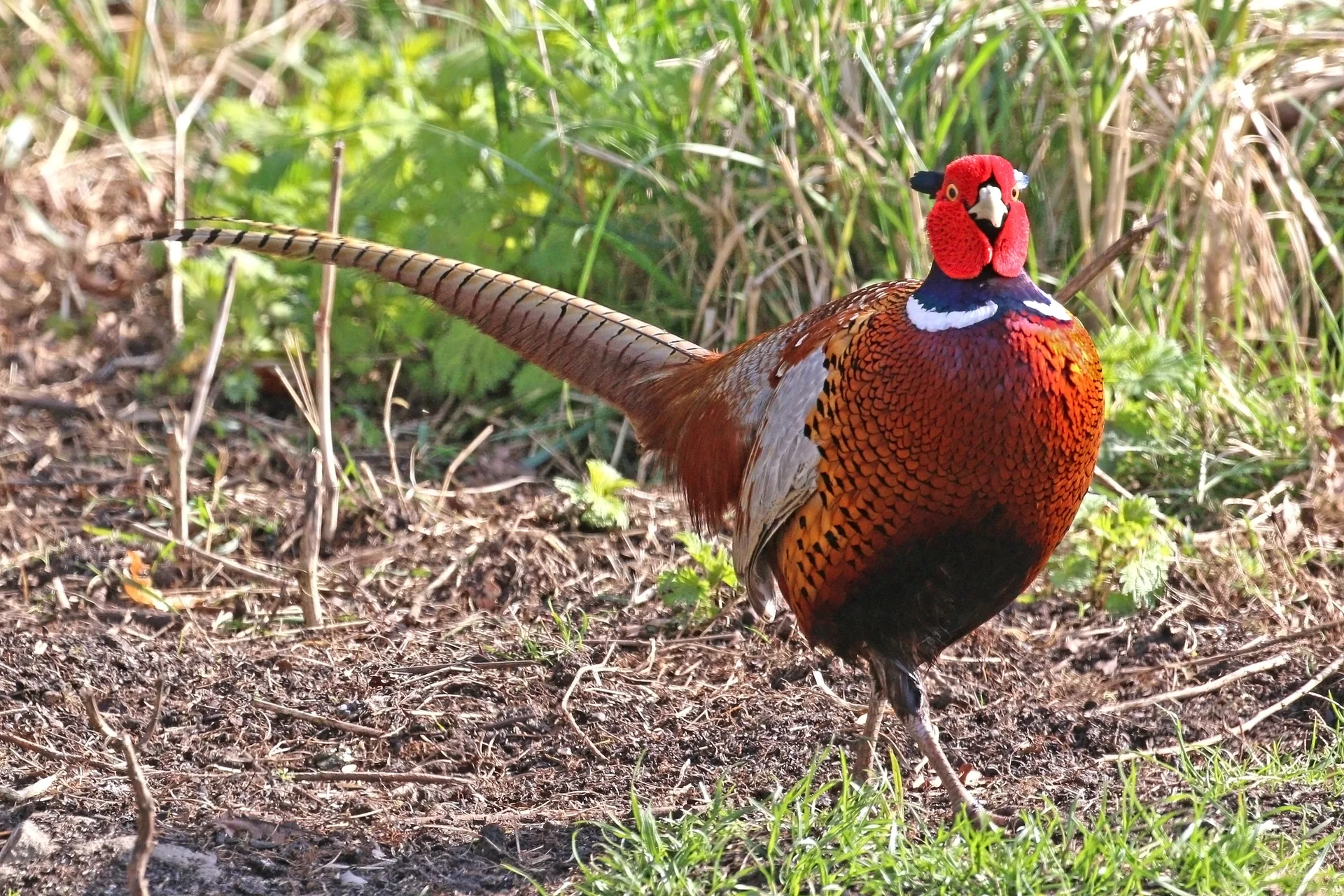
Season 2026 Pricing
2026-2027 hunting season — prices current as of August 2026
Faisan obscur
Frequently Asked Questions
How much does a melanistic pheasant cost?
Is the melanistic pheasant a different species from the common pheasant?
Why release melanistic pheasants rather than common ones?
Do melanistic pheasants pass their colour on to their offspring?
What kind of pen do melanistic pheasants need?
At what age and time of year should melanistic pheasants be released?
See also
Melanistic pheasants for your releases, bred in Isère since 1951
Tell us your ground and your numbers: we will draw up a quote and time the delivery to your opening date. Phone 04 76 38 31 01 or email.