
Game encyclopaedia
European hare
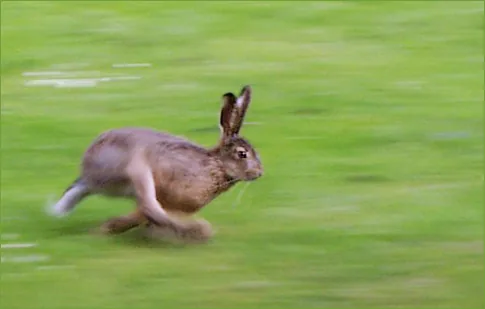
Lepus europaeus (Pallas, 1778). A large lagomorph of cultivated lowlands, solitary and swift-running, with long black-tipped ears. It does not dig: it lies directly on the ground in a form and gives birth to leverets already furred, with their eyes open — a game animal we think we know, and one that surprises.
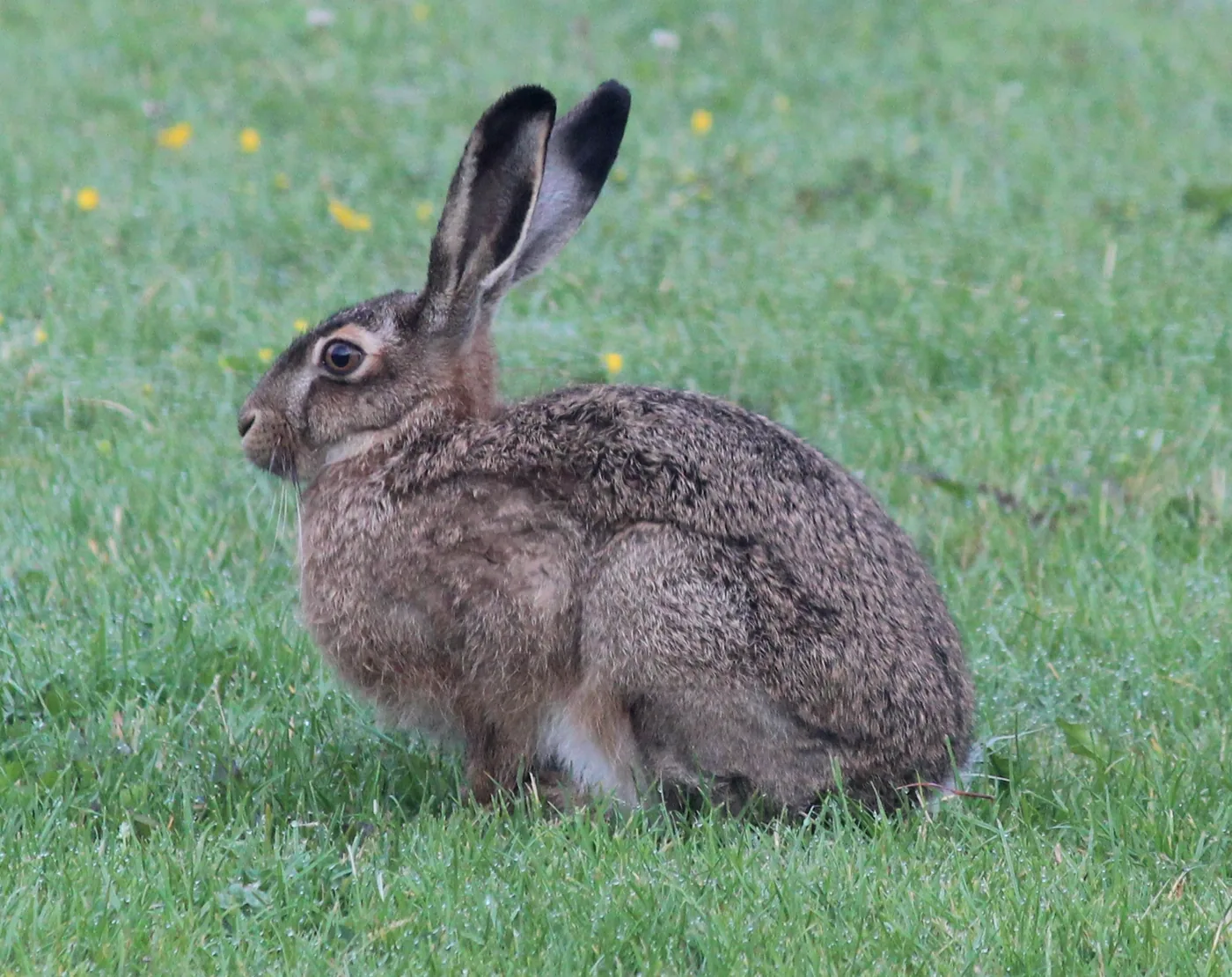
Not to be confused with the European rabbit (Oryctolagus cuniculus), a different genus: the hare is larger, solitary, digs no burrow and gives birth on the ground to furred leverets with their eyes open, whereas the rabbit lives in colonies, digs a warren and produces naked, blind young. For the rabbit, see European rabbit; for our animals, see our hares.
Description
Taxonomy and systematics
Buck, doe, leveret
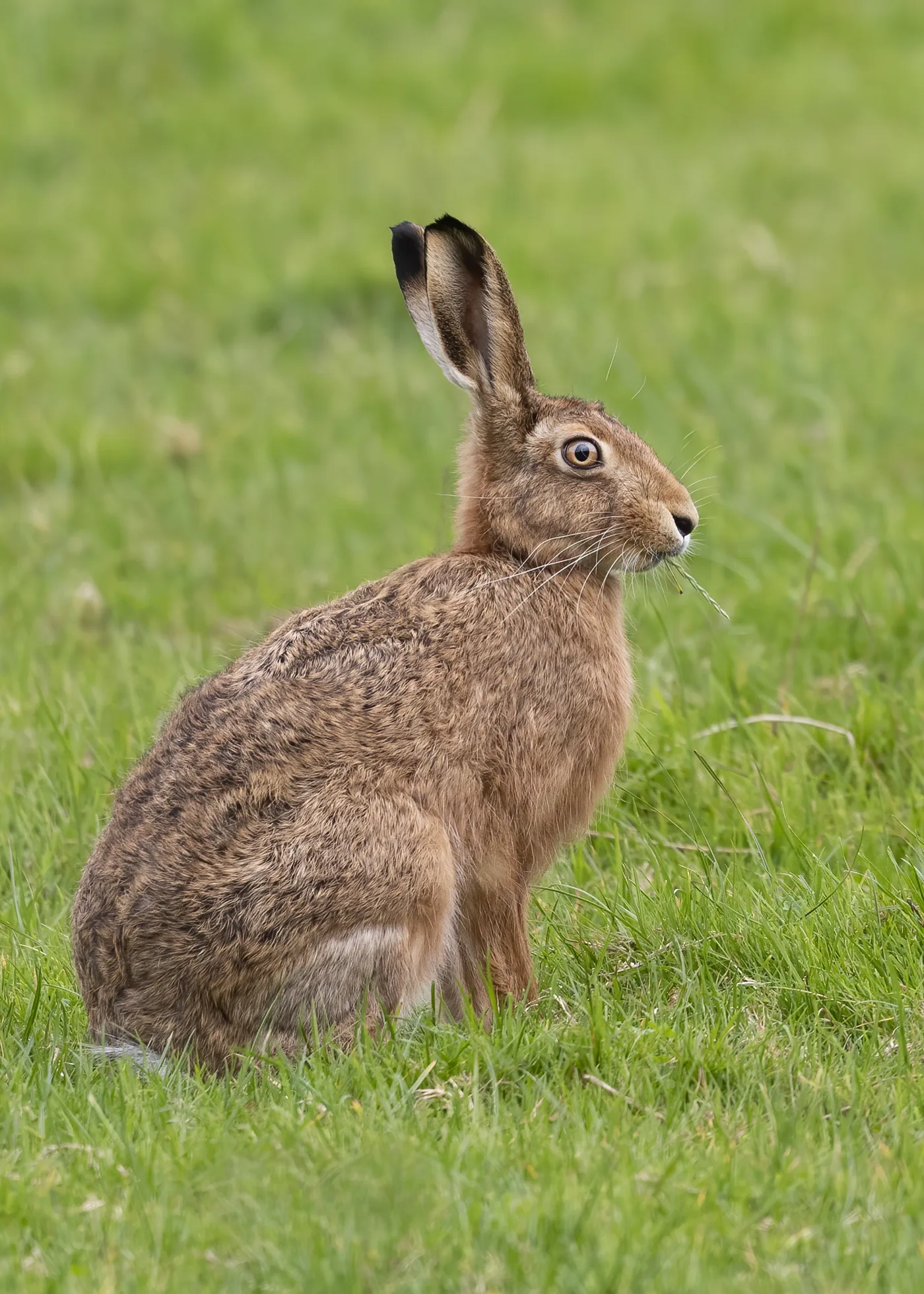
The male is the buck ("bouquin"), the female the doe ("hase," from German), the young the leveret.[11]
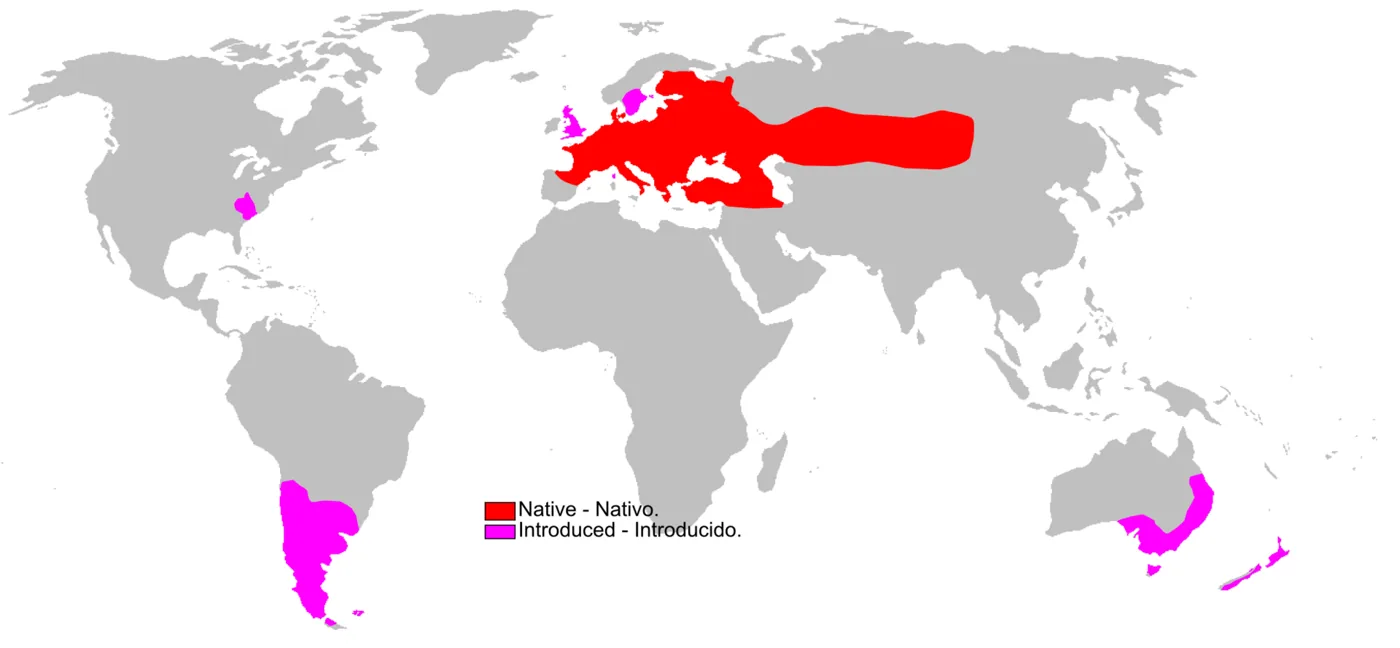
Distribution and introduced range
Habitat, form and home range
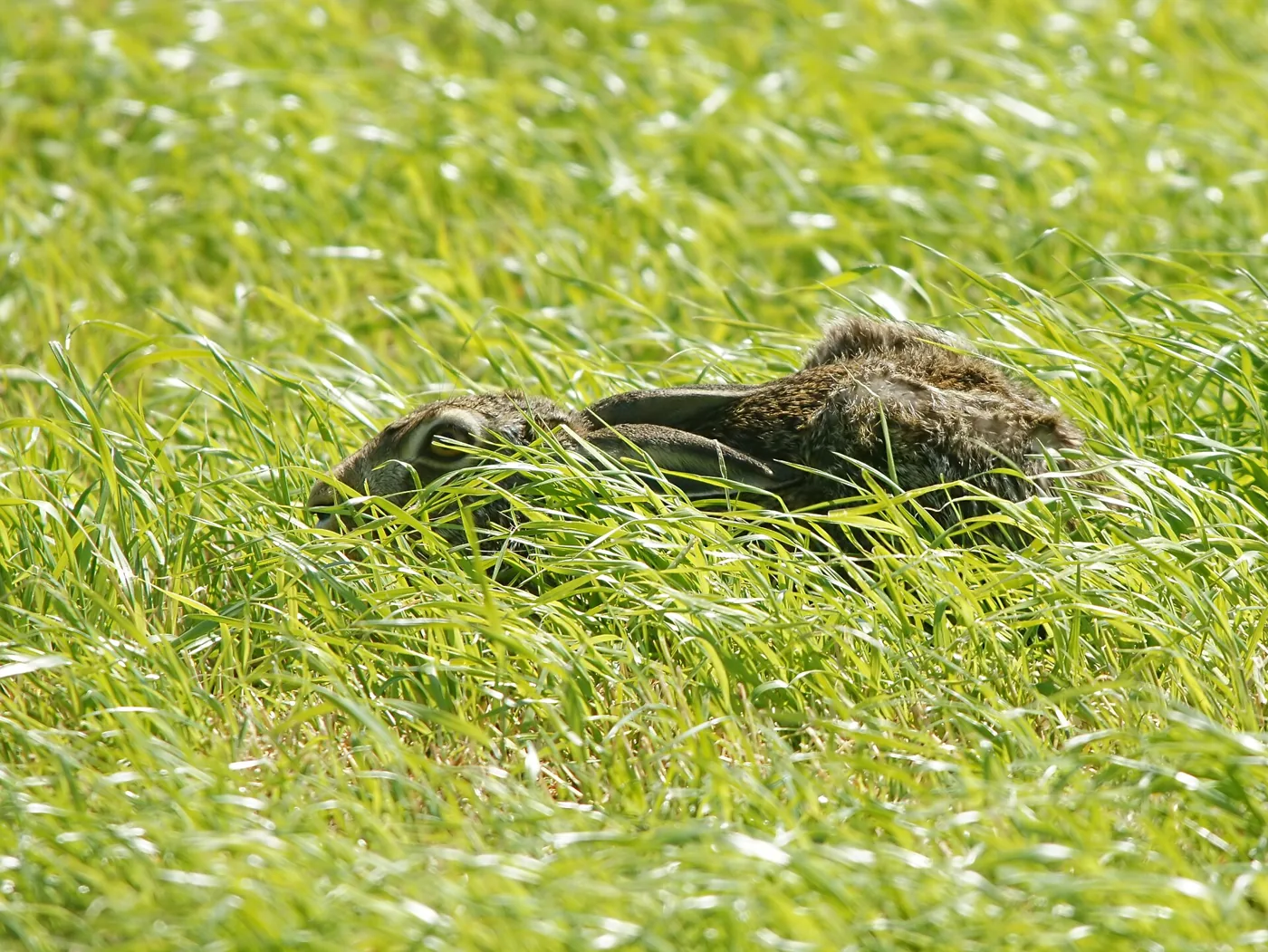
Defence by concealment
Motionless and pressed to the ground until the last instant, before relying on the run.[8]
Diet
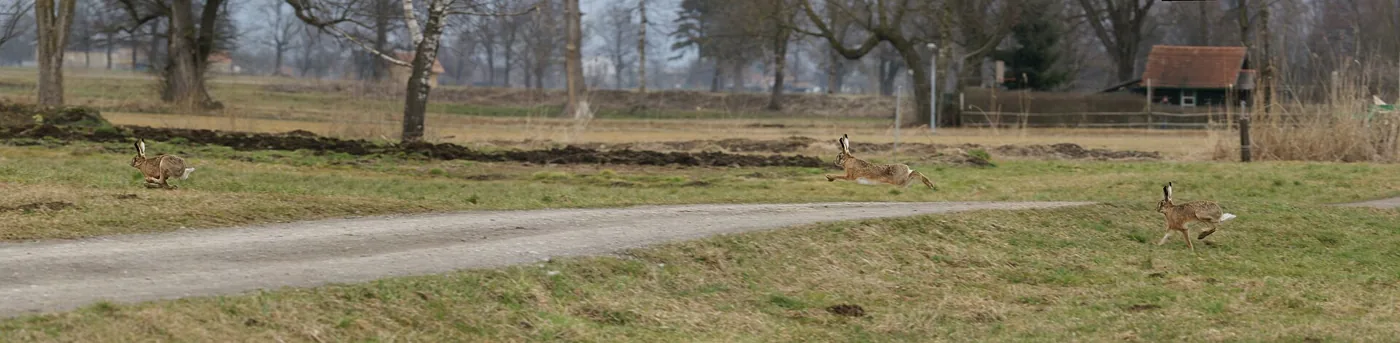
Behaviour
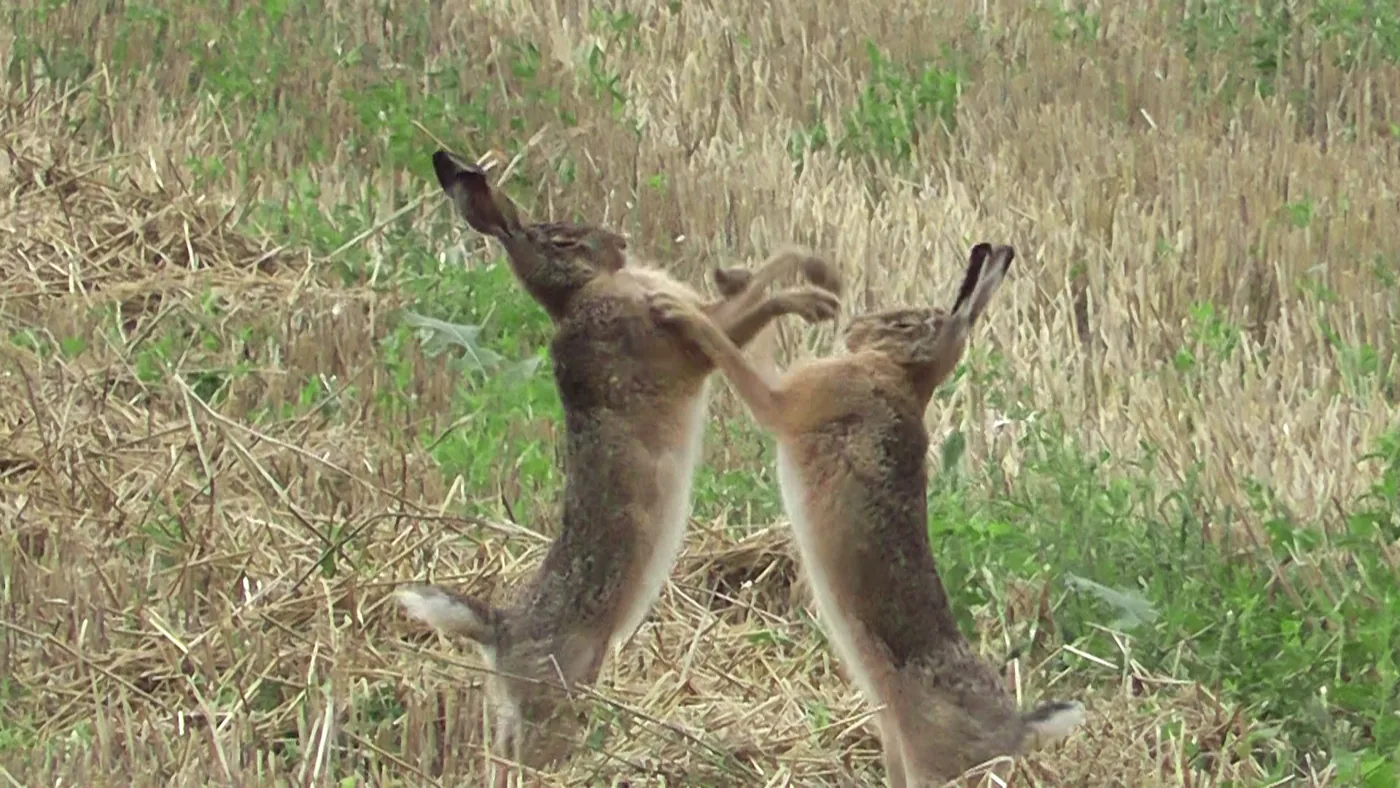
Solitary
No colony or organised social life outside breeding.[7]
Reproduction and superfetation
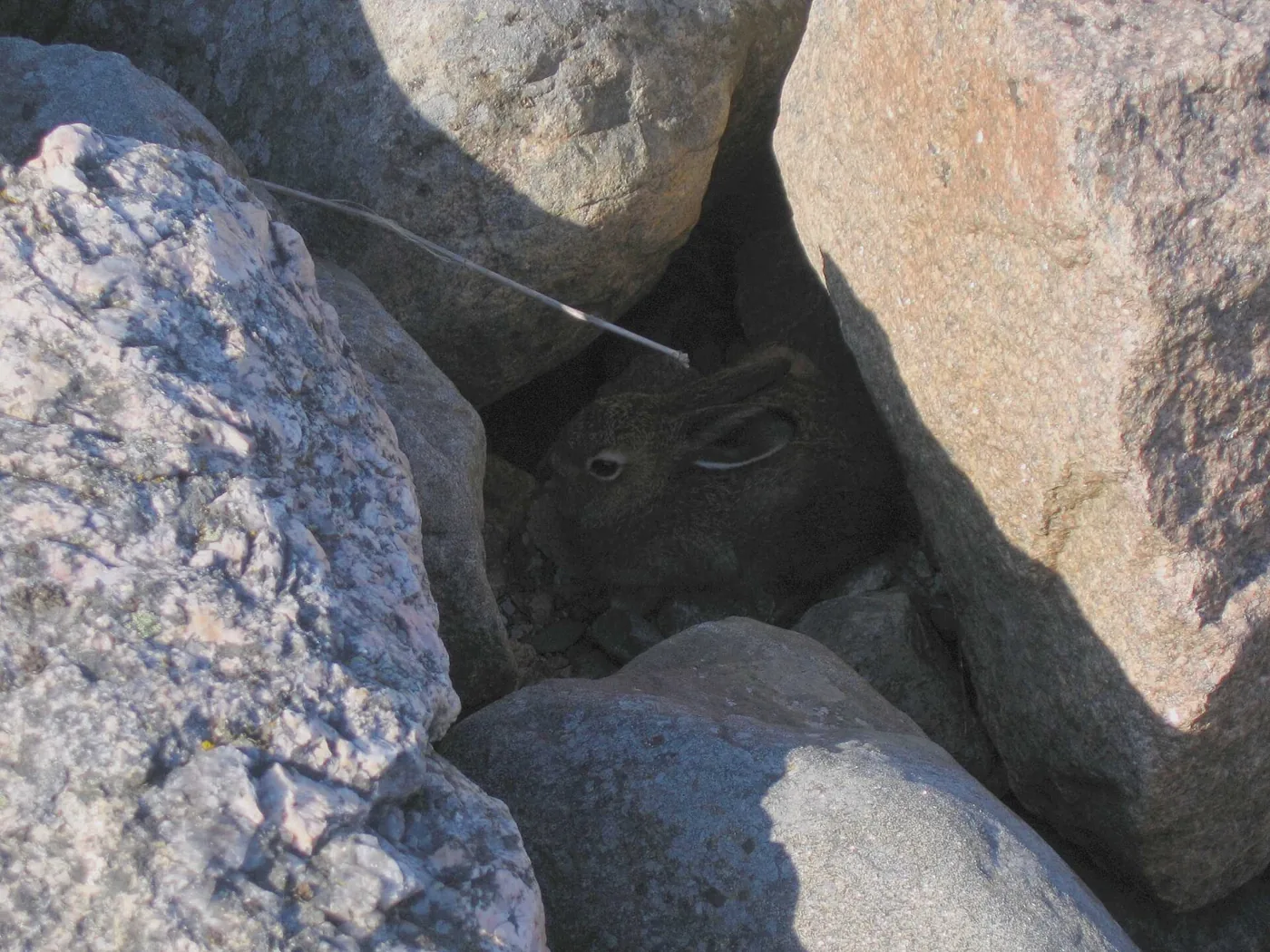
Superfetation
The doe conceives a second litter before giving birth to the first: up to about 35% more young.[9]
Hare or rabbit: don't confuse them
Conservation status and decline in cultivated lowlands
At GIBIS
A family operation since 1951
Production of feathered game and small game in Chatte, Isère.
Hare for restocking
Animals intended for restocking and hunting: see the our hares page.
Restocking
Population-reinforcement operations are detailed on the restocking page.
References
- ↑Hackländer K. & Schai-Braun S., « *Lepus europaeus* », *The IUCN Red List of Threatened Species* 2019: e.T41280A217911459 — category: Least Concern (LC), declining population, iucnredlist.org, consulted in 2026.
- ↑Wikipedia contributors, « European hare », *Wikipedia* — general synthesis (morphology, distribution, behaviour, boxing), corroborated by the primary sources below.
- ↑ITIS (Integrated Taxonomic Information System), *Report: Lepus europaeus* Pallas, 1778 — classification and authority, itis.gov, consulted in 2026.
- ↑MNHN & OFB, Inventaire national du patrimoine naturel (INPN), *Lepus europaeus* Pallas, 1778 record, inpn.mnhn.fr, consulted in 2026.
- ↑Wilson D. E. & Reeder D. M. (eds.), *Mammal Species of the World*, 3rd ed., Johns Hopkins University Press, 2005 — genus *Lepus* Linnaeus, 1758 and family Leporidae.
- ↑Pallas P. S., *Novae species quadrupedum e glirium ordine*, Erlangen, 1778 — original description of *Lepus europaeus*.
- ↑de Jong M. et al., « *Lepus europaeus* (Lagomorpha: Leporidae) », *Mammalian Species*, vol. 52, no. 997, 2020, pp. 125-142 — morphology, measurements, home range, diet, speed, form and reproduction.
- ↑Smith A. T. & Johnston C. H., *Lepus europaeus* (European hare) account, *Animal Diversity Web* (ADW), University of Michigan, animaldiversity.org, consulted in 2026 — description, precocial leverets, introduced range.
- ↑Roellig K., Drews B., Goeritz F. & Hildebrandt T. B., « Superconception in mammalian pregnancy can be detected and increases reproductive output per breeding season », *Nature Communications*, vol. 1, art. 78, 2010 — demonstration of superfetation in *Lepus europaeus*.
- ↑« Maternal effects on reproduction in the precocial European hare (*Lepus europaeus*) », *PLOS ONE*, 2021, e0247174 — litters, precocial leverets and maternal investment.
- ↑CNRTL, *Trésor de la langue française informatisé*, and Wiktionnaire — etymology of "lièvre" (Latin *lepus*), "levraut," "bouquin" and "hase" (from German), consulted in 2026.
- ↑Smith R. K., Jennings N. V. & Harris S., « A quantitative analysis of the abundance and demography of European hares *Lepus europaeus* in relation to habitat type, intensity of agriculture and climate », *Mammal Review*, vol. 35, 2005 — agricultural intensification as the primary cause of the decline.
- ↑Office français de la biodiversité (OFB) and Fédération nationale des chasseurs, « Lièvre d'Europe (*Lepus europaeus*) » record — lowland game, population dynamics and restocking in France, ofb.gouv.fr, consulted in 2026.
- ↑GBIF Secretariat, *Lepus europaeus* Pallas, 1778, *GBIF Backbone Taxonomy*, gbif.org, consulted in 2026 — nomenclature and authority.
- ↑CABI, *Lepus europaeus* (European hare), *CABI Compendium*, cabidigitallibrary.org, consulted in 2026 — introduced range and invasive-species status outside Europe.
- ↑Reichlin T., Klansek E. & Hackländer K., « Diet selection by hares (*Lepus europaeus*) in arable land and its implications for habitat management », *European Journal of Wildlife Research*, vol. 52, 2006, pp. 109-118 — diet selection in agricultural landscapes.
See also
Gallery
See also
A question about the European hare?
This article is part of GIBIS's game encyclopaedia, a breeder in Chatte (Isère) since 1951. For a question about the species or about our animals, the team answers by telephone or email.