
Small game
Live Brown Hares for Restocking: Bred in France, Wild-Caught in Central Europe
Wild hares for restocking your hunting territories
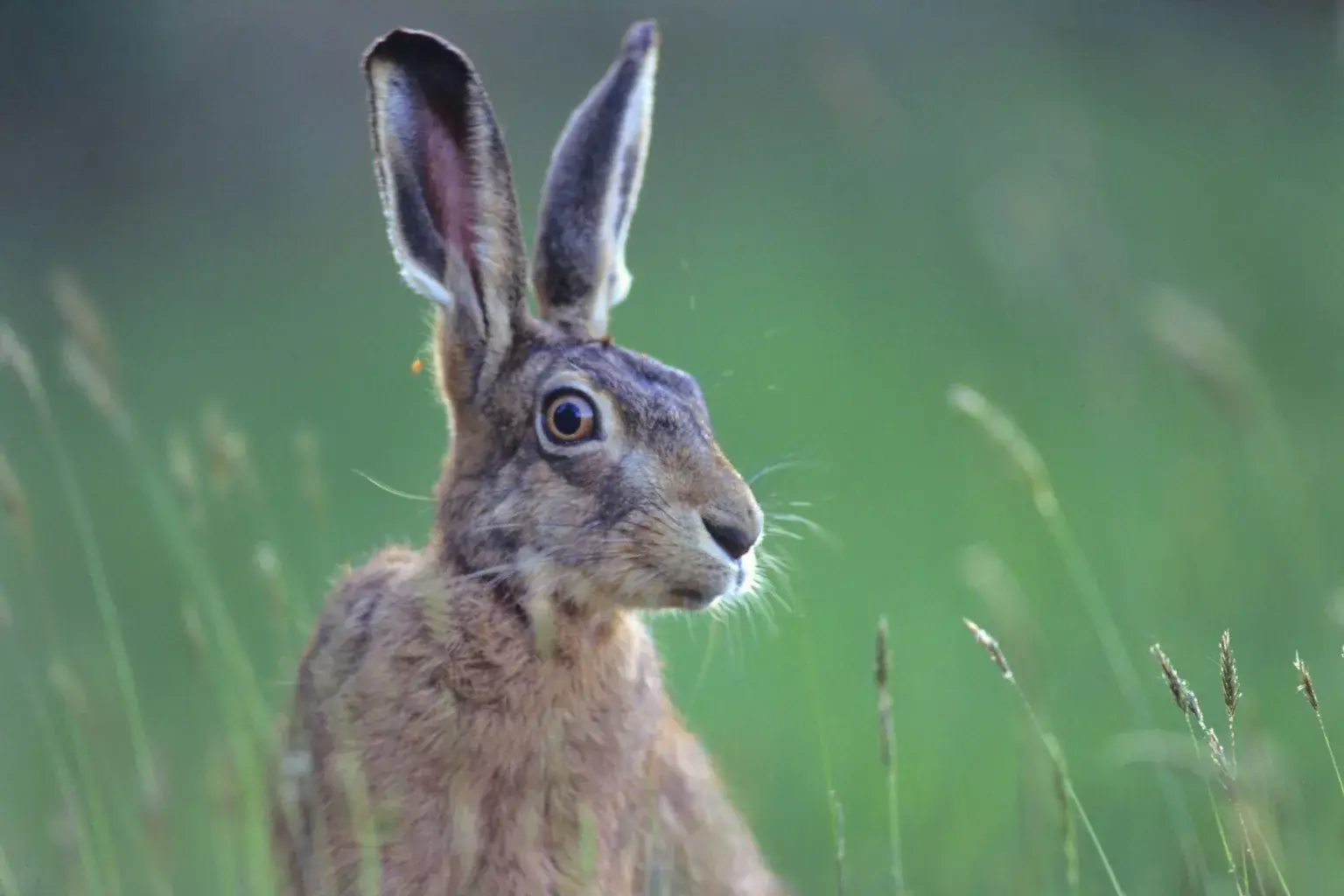
Our hare farm at Chatte (Isère)
The wild hare we produce in France is the European hare (Lepus europaeus), reared in our grassy enclosures at Chatte, in the Isère. We supply it as a leveret of 3 to 4 months, ready to be returned to the wild, weighing 2.5 to 3 kg — the size at which the animal is self-sufficient enough to settle on a territory. Available from June to July, with the option of delivery in pairs. Every hare undergoes a health check before sale, with a veterinary certificate and full traceability. For details of batches and availability, call us on 04 76 38 31 01.
- Reared in grassy enclosures
- Our leverets grow up in our grassy enclosures in the Isère, in contact with the habitat they will find again once returned to the wild — never in cages.
- Health screening
- Each animal is examined and quarantined before sale. Veterinary certificates provided.
- Weight & condition
- Leverets of 3 to 4 months, 2.5 to 3 kg, ready to be returned to the wild from June to July. Delivery in pairs available.
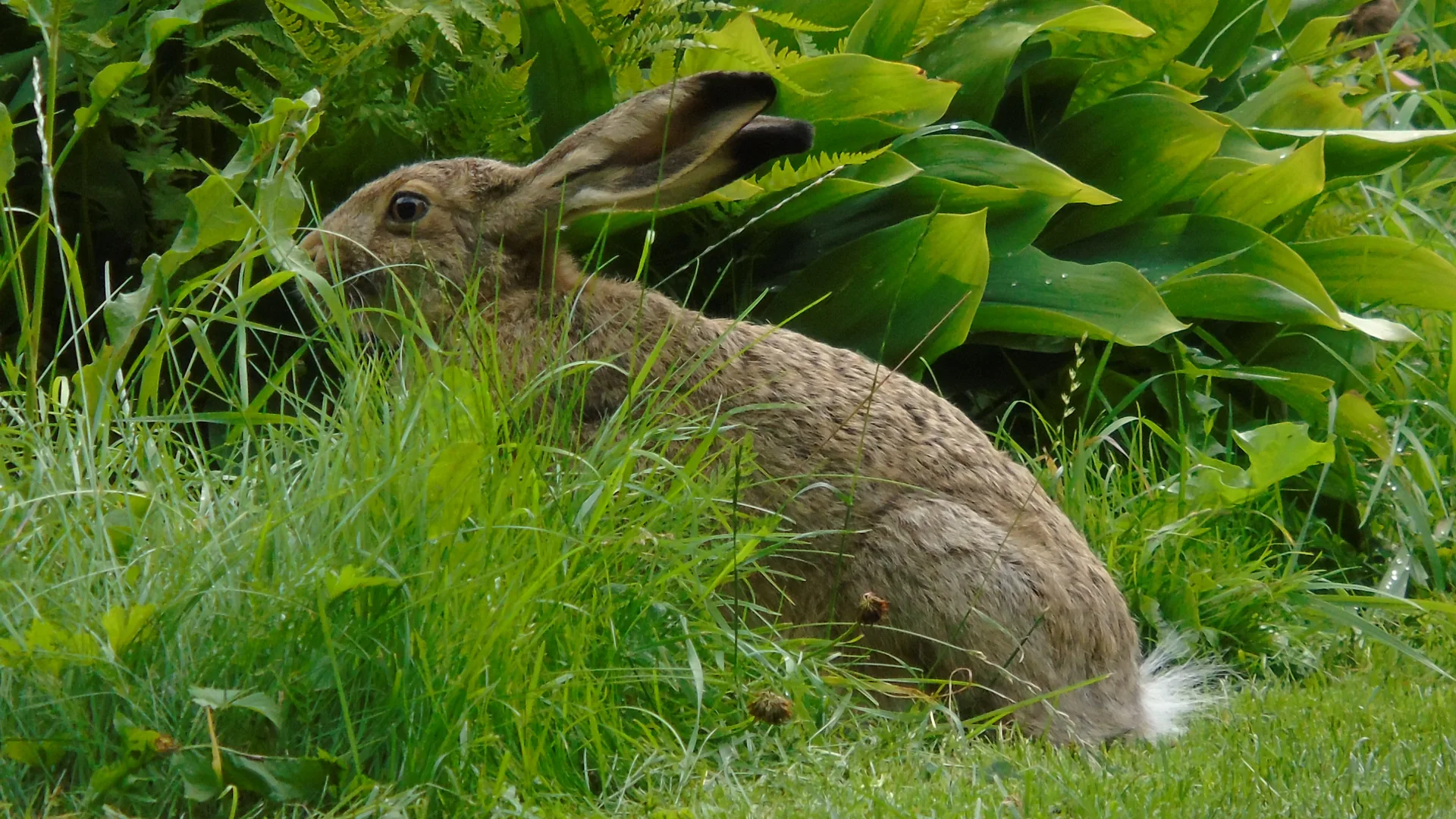
Hungarian and Central European hares
Every year GIBIS organises wild hare capture campaigns on the great plains of Hungary and Romania, one of the richest hare areas in Europe. These operations, carried out in collaboration with the local hunting authorities, supply hares of high genetic quality for restocking French hunting grounds. Because translocating wild animals calls for particular health vigilance, every imported batch goes through a veterinary certificate and a quarantine on arrival in France. See the catalogue and prices of imported live wild hares (pair, trio or single male) for the current season.
- Organised capture campaigns
- Operations supervised by Hungarian authorities, with strict quotas and animal welfare protocols.
- Genetic quality
- Hungarian plain hares are renowned for their vigour, size and adaptability to various environments.
- Secure transport
- Transport in adapted vehicles with quarantine on arrival in France, veterinary check and full health certification.
- Seasonal availability
- Capture campaigns run November to March. Booking recommended from September to guarantee availability.
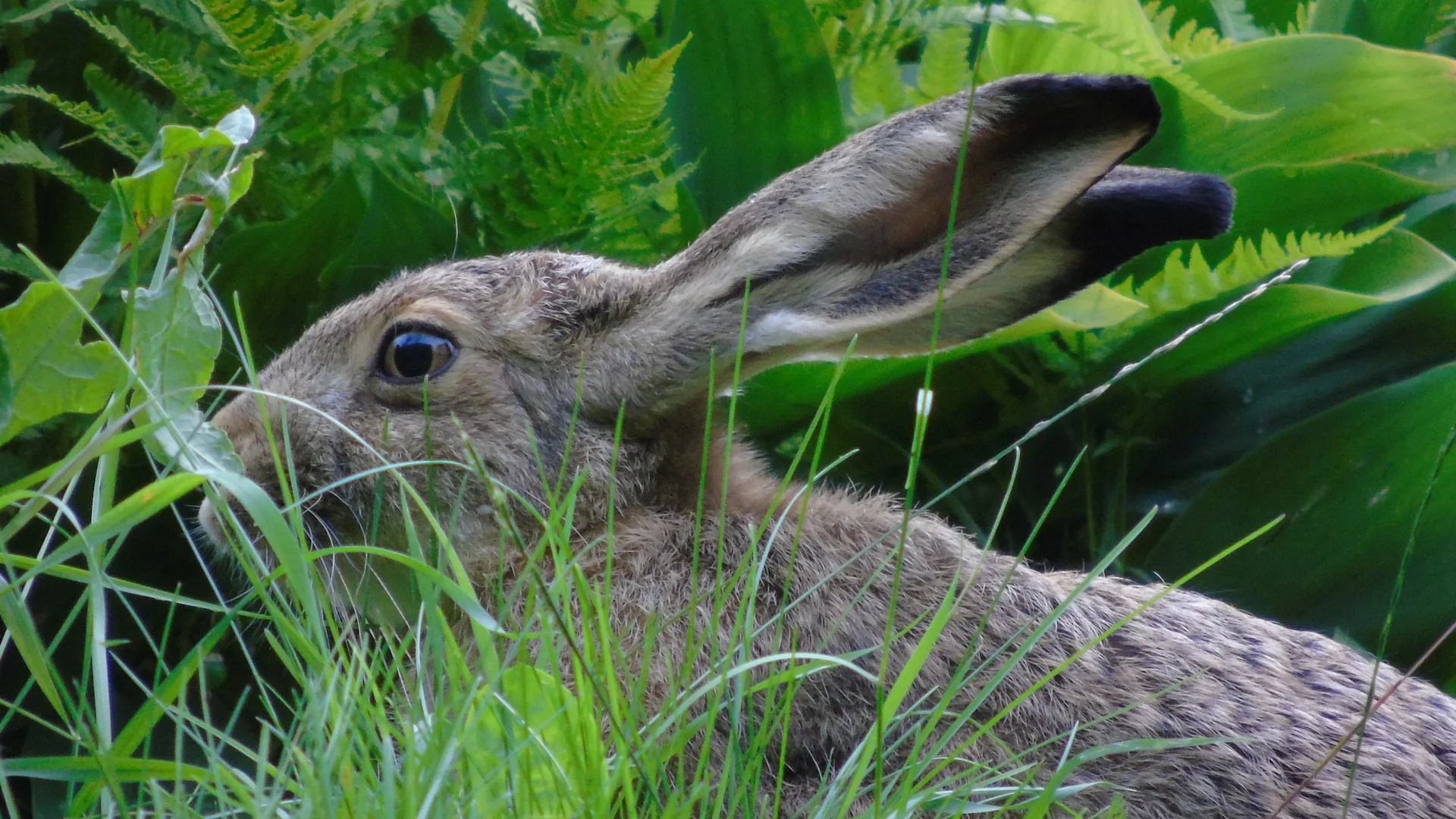
Mountain hares
For high-altitude territories, GIBIS can also supply hares adapted to mountain conditions. These are European hares (Lepus europaeus) selected for their hardiness, not mountain hares or blue hares (Lepus timidus), an alpine species with special protected status that we do not sell. More robust and accustomed to harsh winters, these animals suit restocking programmes in mid- and high-mountain areas, where ground cover and winter quiet remain the leading factors of success.
Altitude adaptation
Hares selected for their adaptation to the harsh climatic conditions of mountain zones.
Hardiness
Particularly resilient animals, accustomed to cold winters and rugged terrain.
Winter hardiness
Natural ability to survive prolonged snow periods, with a dense coat adapted to low temperatures.
Delivery conditions
Live hare delivery is subject to specific constraints relating to regulations and transport conditions. From Chatte, in Isère, GIBIS transports the hares in specially equipped vehicles, with veterinary monitoring and a live arrival guarantee in accordance with our general terms of sale. All the species we deliver and their prices are listed in the GIBIS live game catalogue. We deliver throughout France to holders of hunting rights: ACCAs and AICAs, communal hunting associations, GICs, private hunts, estates and departmental federations. However, we do not sell hares as pets, as keeping a non-domesticated species is regulated. Outside France, please ask: elsewhere in Europe, delivery is subject to veterinary authorisations (see our page on game delivery in Europe).
Adapted vehicles
Transport in individual ventilated crates at controlled temperature by our own vehicle fleet.
Health certificates
Each batch is accompanied by health and traceability certificates compliant with applicable regulations.
Live arrival guarantee
All our hares are guaranteed alive on delivery, in accordance with our terms of sale.
Species profile
What is a wild hare?
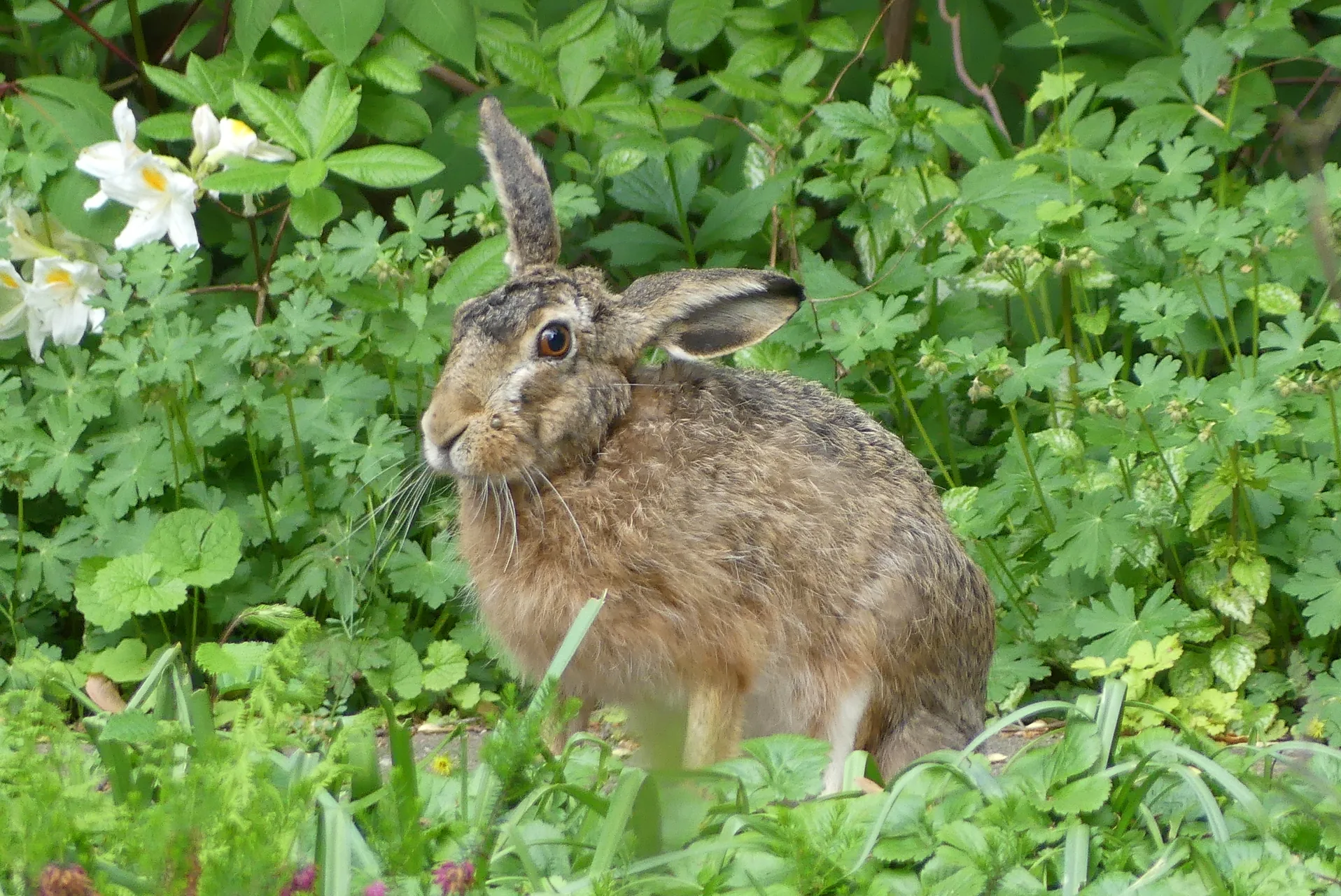
The wild hare found in France is the European hare (Lepus europaeus), also known as the brown hare or common hare: 42 to 68 cm long, 2.5 to 6.4 kg depending on the population, with long black-tipped ears and a top speed of 60 to 70 km/h. Unlike the wild rabbit, it does not dig a burrow and does not live in colonies: it rests directly on the ground, in a simple hollow called a form. This difference dictates how a restocking hunting ground must be laid out: ground cover, grass strips and quiet, not warrens.
- Recognising a wild hare
- Tall silhouette on long legs, ears 8.5 to 12.9 cm long with black tips, tawny coat, tail 6 to 13 cm long: the European hare is noticeably larger than the European rabbit.
- The form, not the burrow
- The hare spends the day crouched in a form, a simple hollow scraped into the bare ground, in open fields or under low cover. It mostly comes out at dusk and lives a solitary life.
- The jill's reproduction
- Gestation of about 42 days, 3 to 4 litters a year of 1 to 3 leverets, which are born furred, with eyes open and able to flee. The jill can be fertilised again before giving birth: this is superfetation, confirmed by ultrasound in 2010 (Roellig et al., Nature Communications).
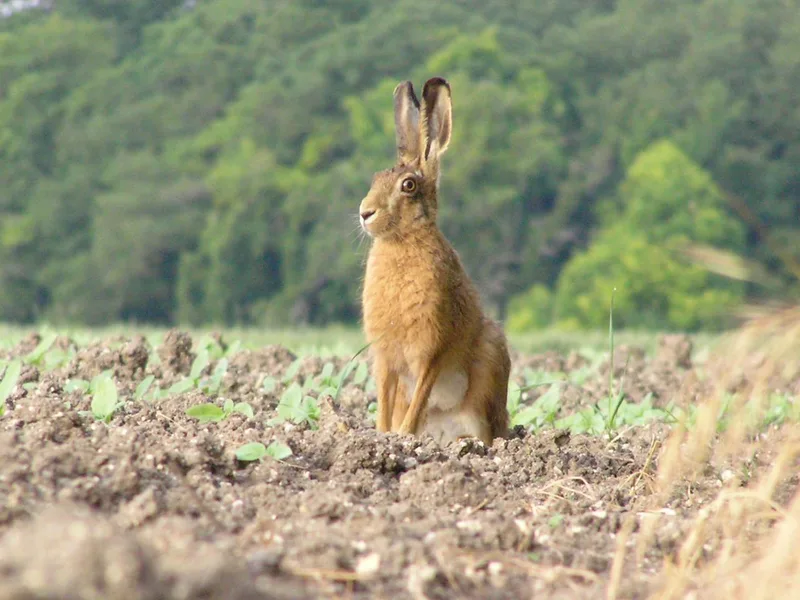
Restocking
Returning hares to the wild: what is specific to the species
Buying hares is not enough on its own to restock a hunting ground, and we would rather say so plainly: a survey conducted by the ONCFS among federations found that two restocking operations out of three failed between 1984 and 1994 (a survey covering pheasant — Mayot, Faune Sauvage no. 274, 2006). The general protocol — cover, counts, temporary protection as a reserve, predator control, moderated culls — is detailed on our restocking game page; below is what is specific to the hare. Before placing any order, check the management plan applicable to your management unit with your departmental hunters' federation and the DDT(M), and see the season's hare catalogue for import prices. Management plan, acclimatisation pen, timing and follow-up are covered step by step in our guide to returning hares to the wild.
Ground cover, not warrens
A hare returned to the wild has no burrow to shelter in: grass strips, fallow land, low hedges and intercrop cover determine its survival far more than they do for the European rabbit.
A health threshold not to drop below
Below 8 to 15 hares per 100 hectares, the population remains poorly immunised against European brown hare syndrome (EBHS) and suffers heavy autumn mortality; above it, mortality falls sharply. Figures and sources in the FAQ below.
Acclimatisation pen
Passing the animals through an adaptation pen, then a large pen before they are fully set free, is the practice commonly recommended to limit dispersal and predation in the first few days. Acclimatisation length to be set with your federation's technician.
Two origins, two calendars
Hares for sale: farm-reared French hares or wild hares from Central Europe
When you are looking for hares for sale for shooting, the first question is not the price but the origin: at GIBIS two supply lines coexist and do not answer the same need. The French hare is produced in our grass paddocks at Chatte, in the Isère — a leveret of 3 to 4 months, 2.5 to 3 kg, ready to be returned to the wild, at €95.00 each, available in June and July, deliverable in pairs, with two options that make the difference on arrival: a rehydration injection (+€5.00) and RHD vaccination (+€5.00). This is the formula for small restocking nuclei, when you want animals born and grown in France, individually traced and delivered outside the winter campaigns. Wild hares caught on the great plains of Hungary and Romania follow a different logic: these are adult animals taken from very high-density populations, available only during the trapping campaigns from November to March, offered in pairs, in trios or as single males. They allow volumes no breeding farm can supply, but their availability is seasonal and rationed: batches are booked from September for the first captures in November, and the season’s prices appear in the catalogue of live imported wild hares. In both cases it is the same species, the European hare (Lepus europaeus), and every batch travels with a health certificate, traceability and a live arrival guarantee.
- French hare — €95.00 each
- A leveret of 3-4 months, 2.5 to 3 kg, reared in grass paddocks at Chatte, in the Isère. Available in June and July, deliverable in pairs, with rehydration and RHD vaccination options at +€5.00 each.
- Wild hare from Central Europe
- Adults caught in Hungary and Romania during the campaigns from November to March, in pairs, trios or as single males. Large volumes possible, season prices in the catalogue.
- Two calendars not to be confused
- French leverets are delivered in early summer; trapped hares only in winter. Booking from September is advisable for the following campaign.
- The same health standards
- Veterinary inspection, quarantine for imported animals, health certificates and a proof-of-origin invoice with every batch.
Placing an order
Buying hares for shooting: to whom, when and with what paperwork
GIBIS sells its hares to holders of shooting rights: ACCA and AICA hunting associations, village shooting clubs, game management groups, private shoots, estates and departmental federations. We do not sell hares as pets — keeping a non-domestic species is regulated — and we decline orders whose purpose is not sporting. There is no online ordering: everything is settled by telephone on 04 76 38 31 01 or by e-mail, because a batch of hares has to be worked out from the acreage, the cover and above all the management plan applying to your management unit. That is the point to check before ordering, not afterwards: some management units cap or prohibit returning hares to the wild, and introducing game into the wild may require an application to the DDT(M), examined after the federation has given its opinion — the details are on our regulations on returning small game to the wild page. As for method, hares are returned to the wild in small, repeated nuclei through an acclimatisation pen, never as one large operation: density benchmarks, timing and predator control are detailed in our guide to achieving a successful return of game to the wild. GIBIS is registered under no. 38001 and supplies a health certificate and a proof-of-origin invoice with every delivery.
Holders of shooting rights
Hunting associations, village shooting clubs, game management groups, private shoots, estates and federations. No sale as pets.
Order by telephone or e-mail
No online sales: 04 76 38 31 01 or gibis@gibis.fr. Tailored quotation with transport priced by destination.
Check the management plan first
Consult your departmental hunters’ federation and the DDT(M) before ordering: some management units cap or prohibit returning hares to the wild.
Documents supplied on delivery
Health certificate, traceability and an invoice stating the provenance — the papers the DDT or your federation may ask for.
Season 2026-2027 Pricing
2026-2027 hunting season — prices current as of August 2026
Hares from France
Wild-caught hares from Central Europe
Additional services
Gallery
Frequently Asked Questions
What is the price of a restocking hare?
How does a hare capture campaign in Hungary work?
What is the price of a live wild hare?
How do I buy restocking hares?
What is the difference between a French and a Hungarian hare?
What is a female hare called?
When is the best time to return hares to the wild?
Do I need authorisation to return hares to the wild on my territory?
Can you buy a live hare for shooting, and who does GIBIS sell to?
What does the €95.00 price of the French hare include?
How many hares should be returned to the wild on a territory?
See also
Reserve your hares for next season
Capture campaigns are seasonal. Place your order early to guarantee the availability of quality hares for your restocking programme.