
The hare in Hungary: the game of the Great Plain
Few countries associate the hare with their landscape as closely as Hungary. The "mezei nyúl", literally the field hare, is part of the hunting culture of the great plains, where the law still allows it to be hunted with the Hungarian greyhound. The country also has a national game database, fed by every hunting-ground manager. Here is what official Hungarian sources say.
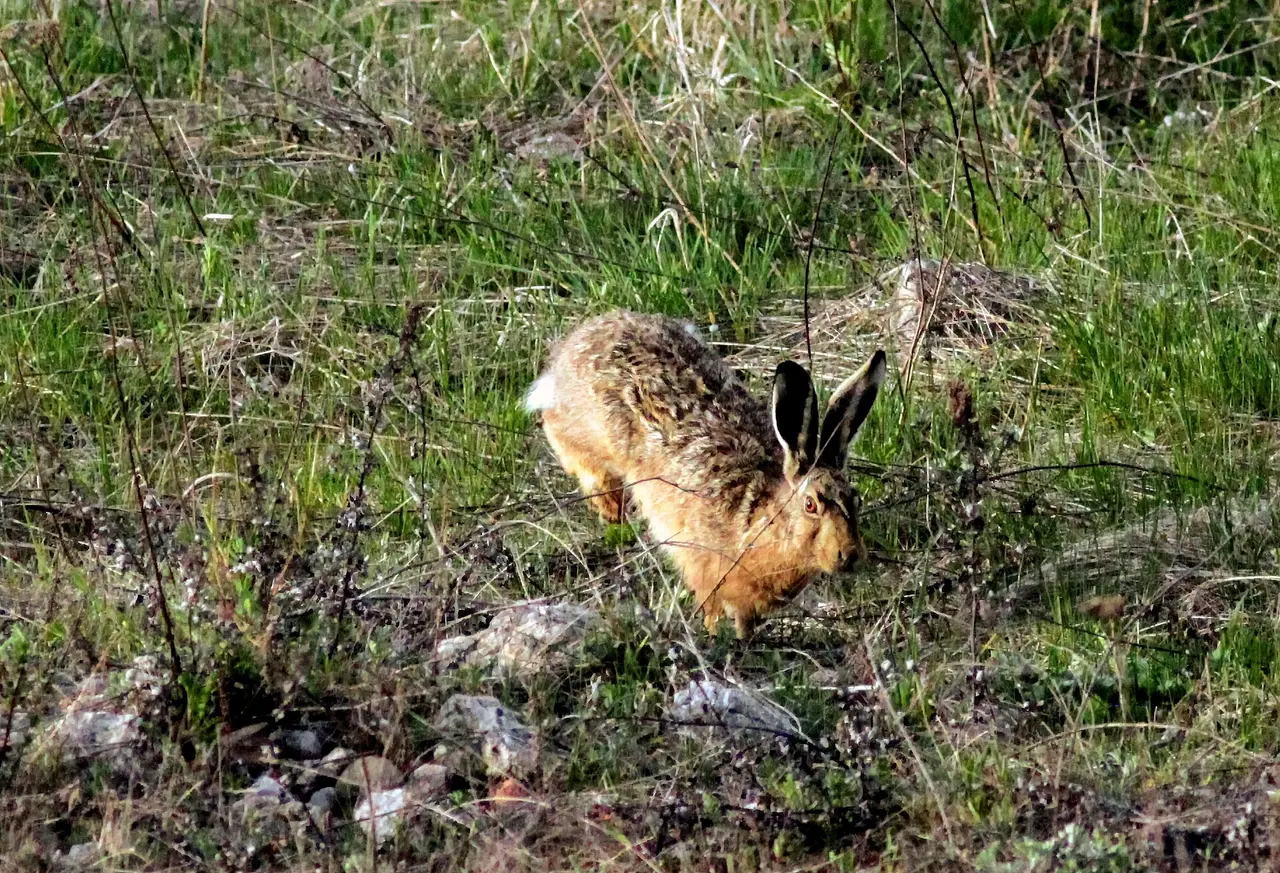
The field hare
The brown hare (Lepus europaeus), described in our entry Brown hare, is the only hare on the Hungarian list of huntable species. The regulations class it among the "useful small game species" (hasznos apróvadfajok), alongside the wild rabbit, the pheasant and the grey partridge[3].
As a sign of its cultural roots, the same decree allows hares to be hunted with the magyar agár, the Hungarian greyhound. With a gun, a hare may only be shot while running[3].
Numbers tracked by the OVA
Hungary's 1996 Act on the protection of game, wildlife management and hunting created a national database, the Országos Vadgazdálkodási Adattár (OVA). Developed since 1993 by the Department of Wildlife Biology and Management of the Hungarian University of Agriculture and Life Sciences (MATE), it brings together the population estimates, annual plans and management reports of every hunting ground; the planning and supervision of game management rely on its data[2].
It is on this basis that the Ministry of Agriculture publishes its statistical bulletin every year. For 2024, it covers all of the country's management units[1].
A recent upward trend
According to the ministry's 2024 bulletin, small game declined for decades, before a slight recovery between 2019 and 2021, two years of decline, then a new increase in 2024. Over five years, the estimated hare population has grown by 33.7%, and the bag for the 2024/2025 season is 9% higher than that of the previous season[1].
The ministry remains cautious: in its view, the long-term decline of small game can only be halted by preserving and improving its habitat, which requires cooperation with farmers, predator control and action against wild boar settling in farming areas[1].
Seasons, management plans and organisation
Hunting seasons are set nationally, in an annex to the implementing decree of the 1996 Act[3]. Each hunting ground operates under an annual management plan approved by the hunting authority. For hare and pheasant, this authority automatically revises the harvest section of the plan every year ahead of the season, taking into account the opinion of the regional chief gamekeeper (tájegységi fővadász)[3].
Hunters are represented by the Hungarian National Chamber of Hunters (Országos Magyar Vadászkamara), organised by county[5].
Live capture and restocking
Hungary also regulates the capture of live hares. The decree allows them to be caught with selective nets and sets the period during which they may be taken alive[3]. In January 2016, for example, the Hungarian press described a winter netting campaign run by a hunting club in Tiszapüspöki, whose hares were sent to Italy to refresh the bloodlines of local populations[4].
GIBIS, a game breeder based in Chatte, in the Isère department of France, raises young hares there and also offers wild-caught hares from Central Europe: see our hares. For the precautions to take before any operation, see our guide to returning hares to the wild. The photos on this page show the species in its habitat and do not depict our animals.
Frequently asked questions
Is the hare declining in Hungary?
Small game declined for decades, but the estimated hare population has increased by 33.7% over the last five years according to the Ministry of Agriculture[1].
Who monitors hare populations?
The OVA national database, maintained by MATE university, which centralises the estimates and reports of every hunting ground[2].
Who sets hare hunting seasons?
They are set nationally by decree; the hunting authority approves and revises the harvest plans of each hunting ground[3].
Is the capture of live hares regulated?
Yes: the implementing decree of the hunting act allows capture with selective nets and sets the period for it[3].
A question about the brown hare? Write to us.
Contact usSources
This page summarises public sources consulted when it was written; it does not replace the texts in force or the advice of the competent authority.
- [1]Vadállománybecslési és vadgazdálkodási adatok 2024 – Az Agrárminisztérium statisztikai közleménye · Agrárminisztérium · agrarstatisztika.kormany.hu
- [2]Országos Vadgazdálkodási Adattár · Magyar Agrár- és Élettudományi Egyetem (MATE) – Országos Vadgazdálkodási Adattár · ova.info.hu
- [3]79/2004. (V. 4.) FVM rendelet a vad védelméről, a vadgazdálkodásról, valamint a vadászatról szóló 1996. évi LV. törvény végrehajtásának szabályairól · Nemzeti Jogszabálytár · njt.jog.gov.hu
- [4]Megkezdődött a téli nyúllehalászás a Tiszapüspöki Hofi Géza Vadásztársaság területén · 444.hu · 444.hu
- [5]Országos Magyar Vadászkamara – hivatalos honlap · Országos Magyar Vadászkamara · omvk.hu