
The hare in Serbia: a major small game species, with tightening management
In Serbia, the brown hare (Lepus europaeus), zec in Serbian, is one of the main small game species, particularly on the vast farmland plains of Vojvodina, in the north of the country. Official statistics report several hundred thousand animals, but in 2026 the authorities introduced a scientific trial hunt ahead of any season. Here is what public sources say.
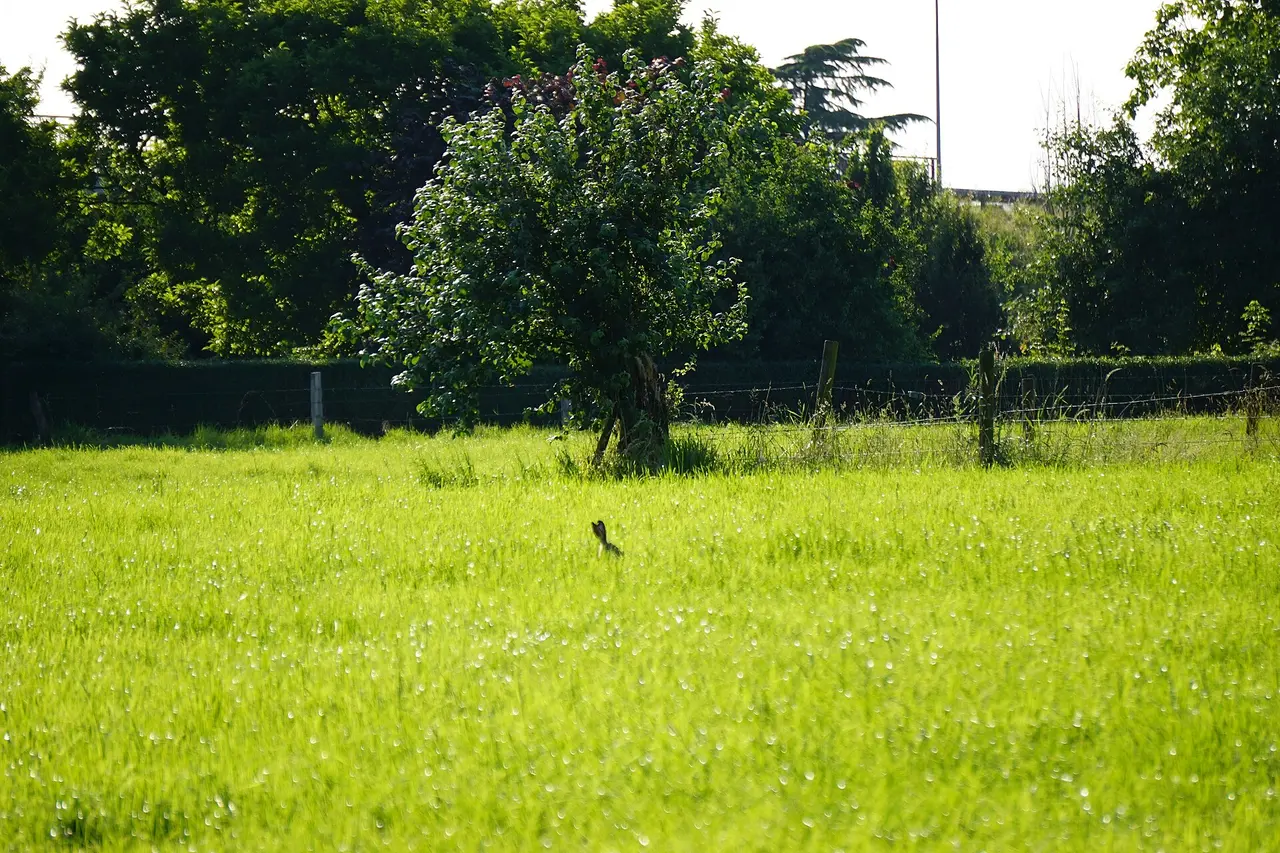
Half a million hares, half of them in Vojvodina
The Statistical Office of the Republic of Serbia (RZS) publishes game numbers and harvests every two years. The hare population rose from 447,303 in 2019 to 478,111 in 2021, then 517,819 in 2023. That year, Vojvodina alone accounted for 256,846, or about half. Harvests are stable: 26,304 hares in 2019, 27,065 in 2021 and 27,029 in 2023. Kosovo and Metohija is not covered by these data.[1] For the biology of the species, see our Brown hare profile.
Warning signs in Vojvodina
These self-reported figures do not tell the whole story. In 2017, a researcher at the Provincial Institute for Nature Conservation of Vojvodina considered that numbers of several small game species, including the hare, had been drastically reduced there as a result of poaching and agricultural intensification, and called for temporary hunting closures to allow populations to recover.[4]
The legal framework: the Game and Hunting Act
Hunting is governed by the 2010 Game and Hunting Act (Zakon o divljači i lovstvu), amended in 2018 and 2023. Under it, the hare is game protected by a close season (lovostaj), set jointly by the minister responsible for agriculture and forestry and the minister responsible for the environment.[2][3] Each hunting ground (lovište) is entrusted to a single manager (korisnik lovišta), for example a hunters' association, which must draw up a hunting management plan (lovna osnova).[2]
2026: a trial hunt before the season
An amending regulation adopted in early 2026 by the two ministries temporarily suspended the hunting of grey partridge and turtle dove, and changed the rules for the hare: a first trial hunt is held solely for research and analysis purposes, and its results determine whether hunting continues as planned, is adjusted or is suspended.[3] For the periods in force, refer to the regulation published in the Official Gazette of the Republic of Serbia.
Introducing game: authorisations and health checks
The Act only allows game to be introduced into a hunting ground if this threatens neither the biological balance nor biodiversity. Introducing imported or non-native game, like transferring game from one hunting ground to another, must follow a stocking programme and requires the authorisation of both ministries; a health check in accordance with veterinary regulations is required beforehand.[2] Check with the Ministry of Agriculture, Forestry and Water Management. Our guide to returning hares to the wild describes general good practice, drawn up for France.
Frequently asked questions
How many hares are there in Serbia?
According to the RZS, 517,819 hares in 2023, including 256,846 in Vojvodina.[1]
Who sets the hare hunting season in Serbia?
The minister responsible for agriculture and forestry, jointly with the minister responsible for the environment.[2]
What is the hare trial hunt?
Since the regulation was amended in 2026, a first hunt for scientific purposes precedes the season; depending on its results, hunting continues, is adjusted or is suspended.[3]
Which hares does GIBIS offer?
GIBIS, a game breeder based in Chatte, in the Isère department of France, raises young hares there and also offers wild-caught hares from Central Europe: see our hares. For Serbian regulations, contact the competent ministry.
Imate pitanje o evropskom zecu? Pišite nam.
Contact usSources
This page summarises public sources consulted when it was written; it does not replace the texts in force or the advice of the competent authority.
- [1]Šumarstvo u Republici Srbiji, 2024 (Bilten 723) · Republički zavod za statistiku (RZS) · publikacije.stat.gov.rs
- [2]Zakon o divljači i lovstvu (Sl. glasnik RS, br. 18/2010, 95/2018 i 92/2023) · Paragraf Lex · paragraf.rs
- [3]Izmenjen pravilnik o lovostaju: Privremena zabrana lova jarebice i grlice, nova pravila za zeca · Kurir – Biznis · biznis.kurir.rs
- [4]Velike štete po budžet zbog krivolova · Agronews · agronews.rs