
Feathered game
Mallard ducks
Breeding birds raised free-range on natural ponds
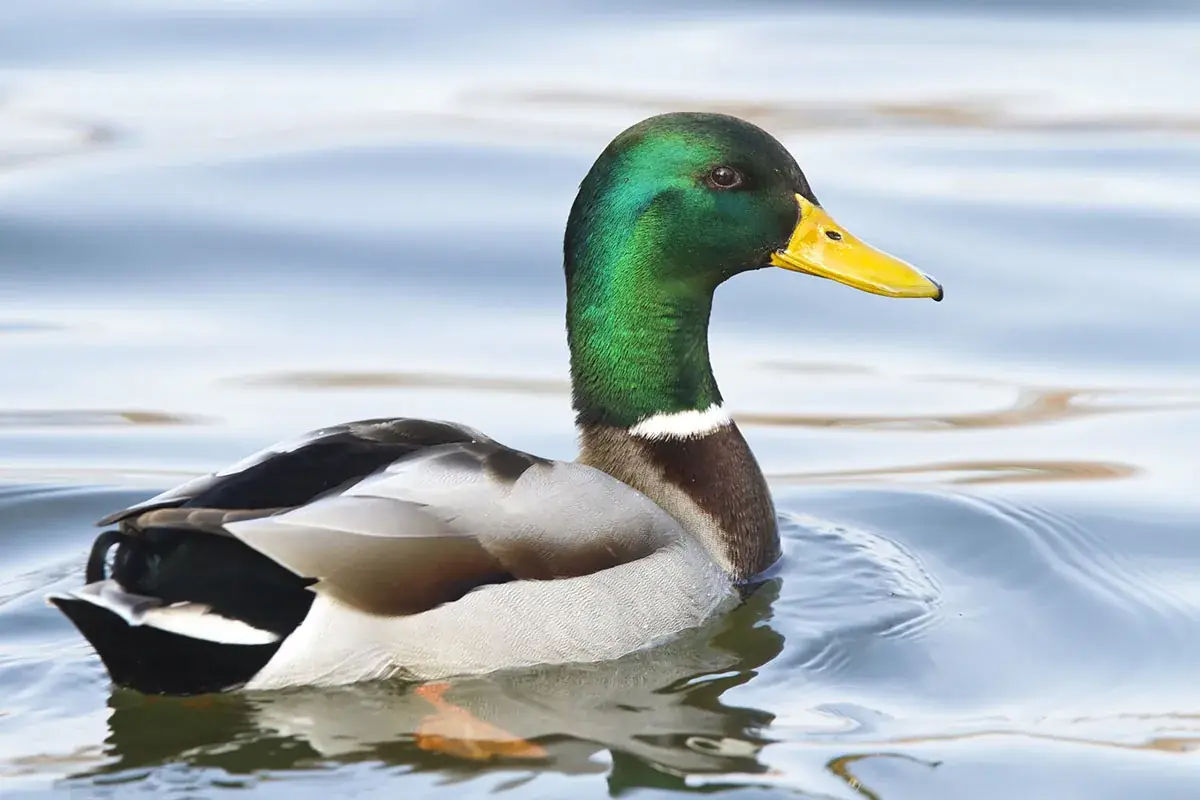
Free-range pond breeding
Our mallard ducks (Anas platyrhynchos) are raised free-range on our natural ponds, in conditions close to their wild environment. This extensive farming approach allows birds to develop quality waterproof plumage, powerful flight musculature and the natural behaviour of wild ducks. They feed freely on aquatic vegetation, supplemented with grain grown on the farm.
- Natural ponds
- Farming on natural stretches of water bordered by reedbeds and aquatic vegetation, reproducing the wild habitat.
- Freedom of movement
- Mallards have free flight space, developing powerful pectoral musculature.
- Mixed nutrition
- Natural aquatic food supplemented with farm grain (wheat, maize).
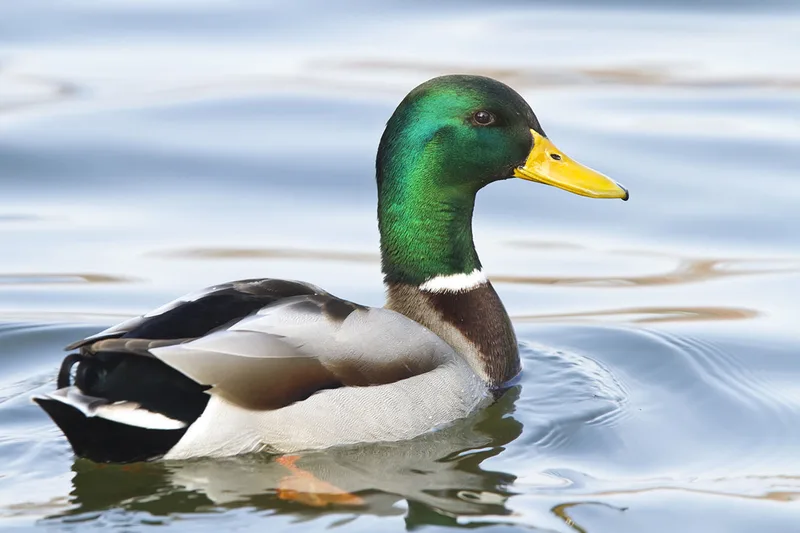
Breeding quality
GIBIS mallards are selected for their breeding qualities. Our bloodlines produce birds with brilliant, full plumage characteristic of wild mallards: iridescent emerald green head for males, mottled brown plumage for females. Selection also covers fertility, hatch rate and duckling vitality.
Morphological selection
Breeding birds chosen for conformity to the wild mallard standard, excluding any trace of domestication.
Authentic plumage
Full and colourful plumage, without white markings or discolouration typical of domestic ducks.
Reproduction performance
Bloodlines selected for high fertility and the vitality of their offspring.
Hunting suitability
Raised in semi-wild conditions, our mallards develop the wary behaviour and fast flight of wild ducks. Unlike intensively farmed mallards, our birds are fully suited to release for waterfowl shooting. Their ability to quickly reach wetland areas after release makes them a preferred choice for hunting clubs and marshland managers.
Powerful flight
Flight capability comparable to wild mallard thanks to free-range pond breeding.
Wary behaviour
Developed flight instinct, reactivity to visual and sound stimuli identical to wild mallard.
Rapid integration
Ability to spontaneously reach wetland areas and integrate with existing wild populations.